US Has Lost Credibility in Gulf Region: Experts
17:45 09.04.2026 (Updated: 20:03 09.04.2026)
© AP Photo / Kamran Jebreili
Subscribe

The United States holds a string of military bases and facilities in the Middle East, including the headquarters of its Navy's Fifth Fleet in Bahrain, the Al Udeid Air Base in Doha, the Al Dhafra Air Base in the UAE and a host of other installations in Saudi Arabia, Iraq, Jordan, and Kuwait.
With Iran continuously and successfully targeting energy infrastructure in the Gulf states despite those nations spending billions of dollars to house American defence platforms and troops for their safety, the US has lost its credibility amongst its allies in the region, which would eventually pave the way to a new defence architecture there, experts have said.
"Strategically speaking, Americans have lost their credibility in West Asia, in the Middle Eastern theatre, because nations there have realised that American firepower, American air bases and American defence systems could not save them from the Iranian onslaught and retaliation. So, this is one major area where the Americans have particularly lost credibility," Abhinav Pandya, a foreign affairs Analyst and the founder and CEO of Usanas Foundation, a strategic affairs think tank based in Udaipur, told Sputnik India.
The US has suffered some strategic reverses on the European front because its war with Iran has exposed major fault lines within NATO and highlighted vulnerabilities and differences among NATO partners, especially France, the UK, and the US, he added.
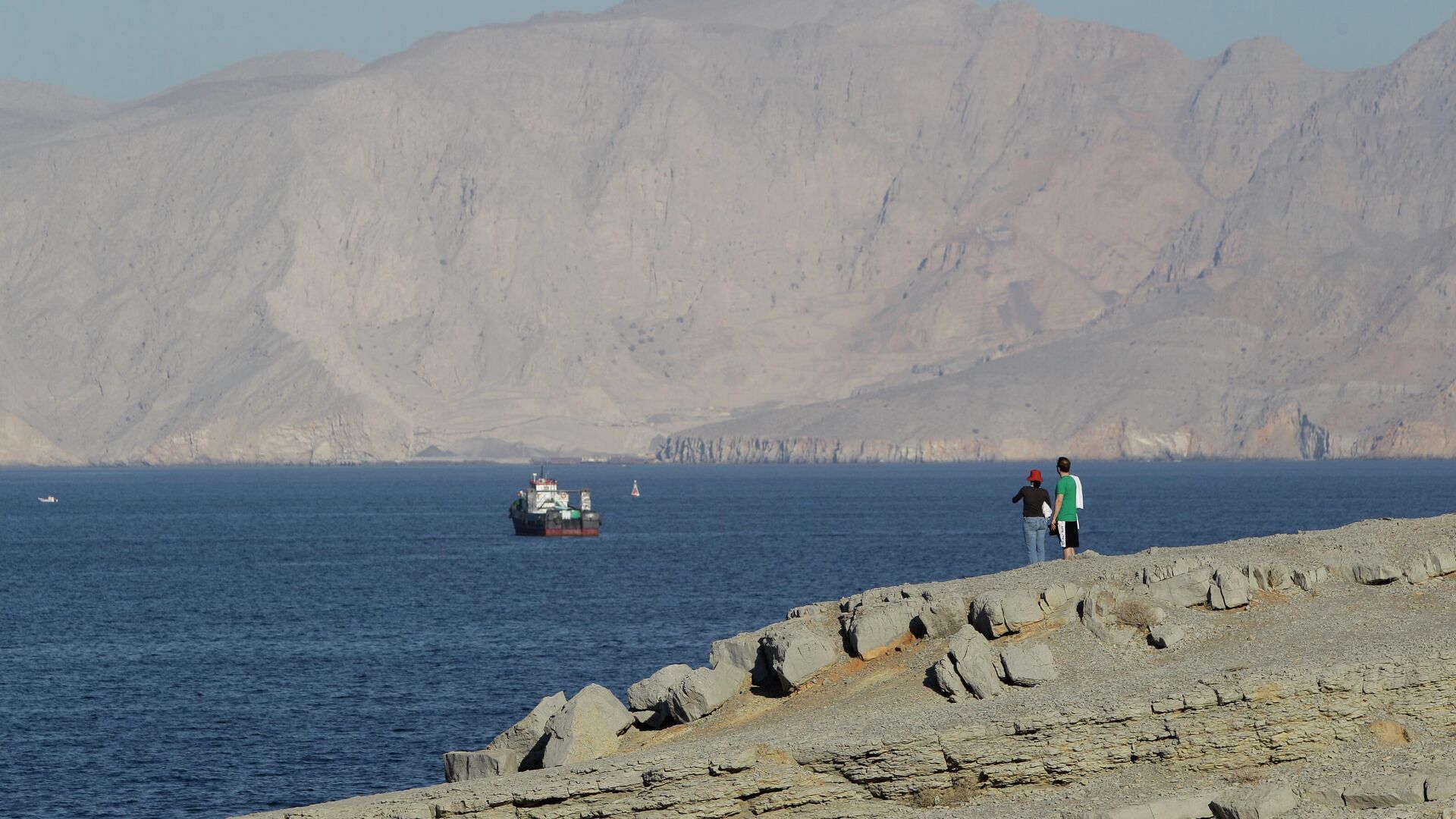
After all, London and Paris repeatedly rebuffed US President Donald Trump's demands to send warships to escort crude cargoes through the Strait of Hormuz, which still remains under Iranian control despite the ceasefire between the two parties, the think tanker highlighted.
Among Iran's 10-point proposal, which Trump called "workable", is a demand for the withdrawal of US combat forces from the region, which many have argued could be a barometer of Washington's capitulation against Tehran.
After all, London and Paris repeatedly rebuffed US President Donald Trump's demands to send warships to escort crude cargoes through the Strait of Hormuz, which still remains under Iranian control despite the ceasefire between the two parties, the think tanker highlighted.
Among Iran's 10-point proposal, which Trump called "workable", is a demand for the withdrawal of US combat forces from the region, which many have argued could be a barometer of Washington's capitulation against Tehran.
"If agreed, this would mean Americans would have to withdraw from the Middle East, marking a landmark development in the decline of American power in the global geostrategic theatre. But I really don't think that they would agree to such a move. We all know that Trump is very whimsical and can go back on his commitments the next day," Pandya underscored.
Meanwhile, Colonel (Retd) Rajeev Agarwal, the author of the just-published book "Between Tehran and Tel Aviv: Gaza's Story of Unending War", stated that the pullout of American assets from the region is of direct concern to each of the 12 countries that have been basing US facilities and weapon platforms and paying for them for the last 30 years.
They have paid billions of dollars over the past three decades in the hope that when the day comes, the American security umbrella will protect them from any external aggression, especially when an attack is launched from Iran. However, each of the 39 days of this war has proved that this security umbrella is totally inadequate, the military commentator underlined.
They have paid billions of dollars over the past three decades in the hope that when the day comes, the American security umbrella will protect them from any external aggression, especially when an attack is launched from Iran. However, each of the 39 days of this war has proved that this security umbrella is totally inadequate, the military commentator underlined.
"In the aftermath, several signals have already started coming from countries like Qatar, wherein GCC nations are re-examining their security architecture, and instead of an American-led defence umbrella, voices are being made for an apparatus which is more regional, more inclusive, and which does not have to depend on outsourced security from America or any other country," Agarwal noted.
There's no doubt that there's going to be a serious deliberation on the future of Gulf security amongst the Gulf Cooperation Council nations. A new security architecture will evolve, which will be more inclusive north and south of the Persian Gulf. Nations from across the region will be included in this set-up, which means Iraq, Iran, Syria, Lebanon, etc., could find a place in this Gulf security architecture, he pointed out.