Oil Slips to $70: What’s Next for Petrol and Inflation in India?
11:02 02.07.2026 (Updated: 12:46 03.07.2026)
© Photo : Social Media
Subscribe

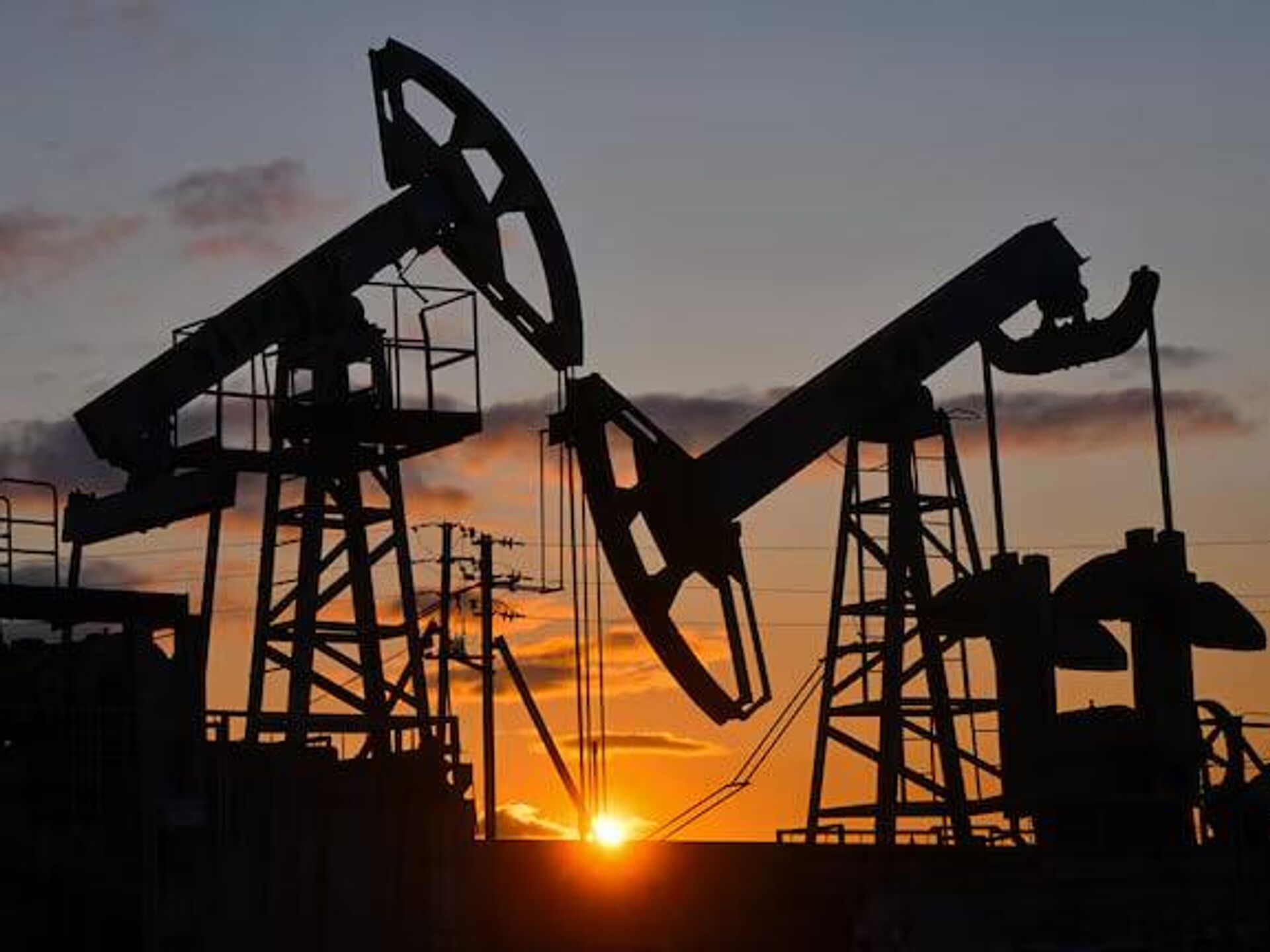
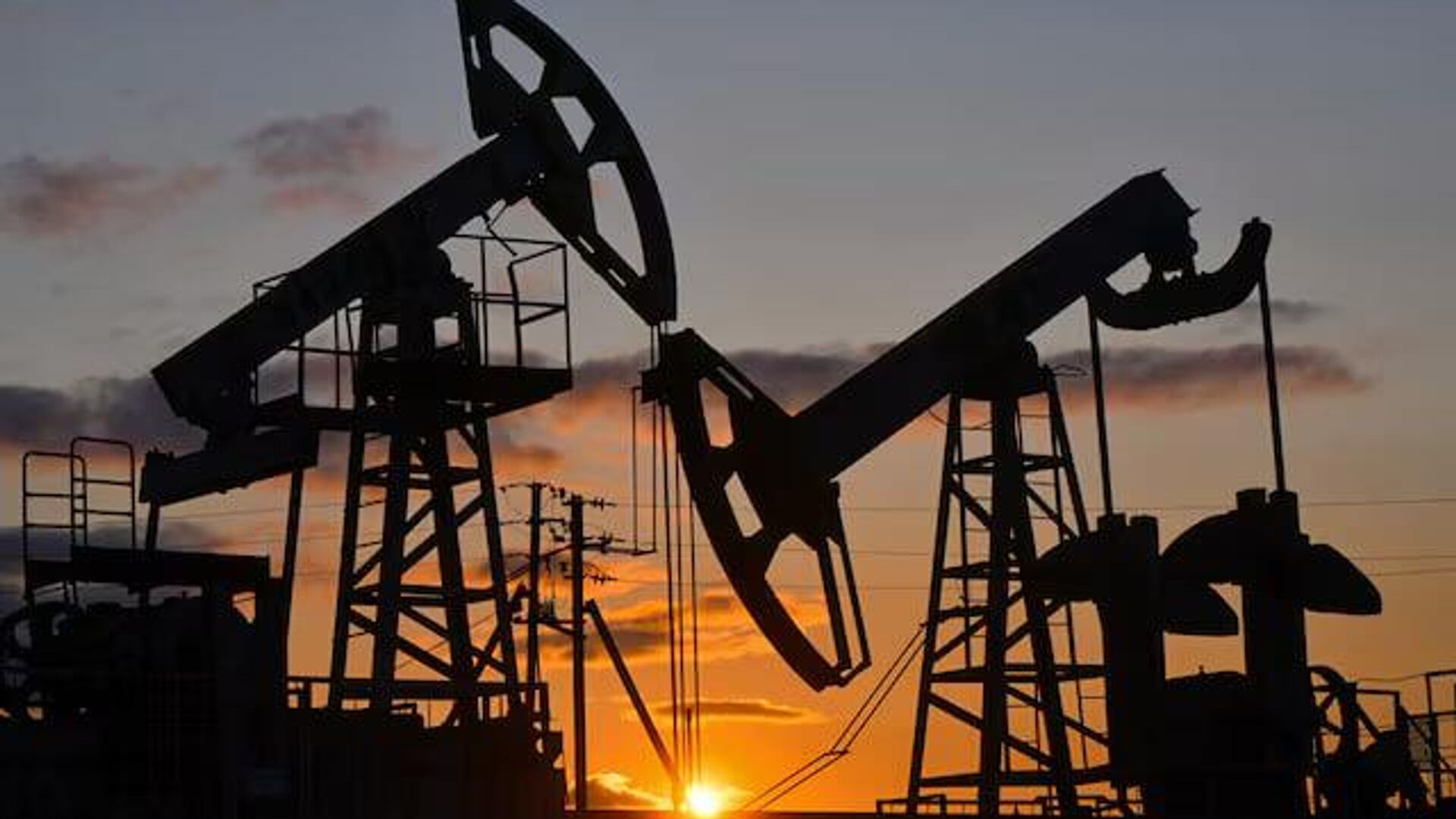
For the first time since March, the price of a barrel of crude has fallen to around $70 that has risen to over $100 per barrel following the US-Israeli war on Iran.
A sustained decline in crude oil prices is generally positive for both Indian consumers and state-run oil marketing companies (OMCs), although the extent of the benefit differs, an energy specialist has said.
"For consumers, the key factor is whether lower crude costs are passed through to retail fuel prices. For OMCs, however, the impact is more immediate, as falling crude prices typically translate into stronger marketing margins and improved profitability," Arpit Chandna, a market expert associated with the London Stock Exchange Group, told Sputnik India.
For OMCs, the current environment is particularly favourable. When crude costs decline while retail fuel prices remain relatively stable, marketing margins expand, directly boosting earnings. This also helps offset the pressure faced earlier in the year when elevated crude prices compressed margins and led to under-recoveries on fuel sales, he explained.
Market performance has reflected this dynamic, with OMC stocks strengthening as crude prices retreated, underscoring the strong inverse relationship between oil prices and refining and marketing profitability, the observer emphasised.
Market performance has reflected this dynamic, with OMC stocks strengthening as crude prices retreated, underscoring the strong inverse relationship between oil prices and refining and marketing profitability, the observer emphasised.
"On the other hand, lower petrol or diesel prices by private refiners can offer direct and visible relief to consumers, particularly daily commuters, cab operators, transporters, and fleet owners, where fuel is a major recurring cost. Even a small per-litre discount can add up meaningfully over a month, especially for high consumption users," Chandna underlined.
Nayara Energy, a Rosneft-backed private refiner, has cut petrol and diesel prices in India. The company's petrol and diesel are now cheaper by INR 5 and INR 3 per litre compared to outlets owned by state-owned entities. It is worth remembering that Rosneft was put on the sanctions list by the US last year.
For households, cheaper fuel can also soften day-to-day mobility, expenses and marginally reduce logistics-linked cost pressures. The benefit, however, will be uneven because private retailers have a far smaller network than public sector OMCs and are concentrated mainly in urban, highway and high-volume locations, he stressed.
The bigger impact is competitive. If sustained, such pricing can make consumers more price-sensitive and push fuel retailers to compete harder in a market where private outlets have strong visibility, the commodities commentator noted.
For households, cheaper fuel can also soften day-to-day mobility, expenses and marginally reduce logistics-linked cost pressures. The benefit, however, will be uneven because private retailers have a far smaller network than public sector OMCs and are concentrated mainly in urban, highway and high-volume locations, he stressed.
The bigger impact is competitive. If sustained, such pricing can make consumers more price-sensitive and push fuel retailers to compete harder in a market where private outlets have strong visibility, the commodities commentator noted.
"That said, these discounts may not be permanent, as private refiners price fuel based on crude cost, refining margins and commercial viability. Taxes will also continue to remain the biggest driver of pump prices," Chandna stated.
This is a positive for consumers where Private outlets are accessible, but the relief will remain limited unless price cuts are sustained and reach expands beyond select urban and highway corridors, he concluded.