How Internationalisation of Indian Rupee Strengthen India's Sovereignty?
CC0 / /
Subscribe

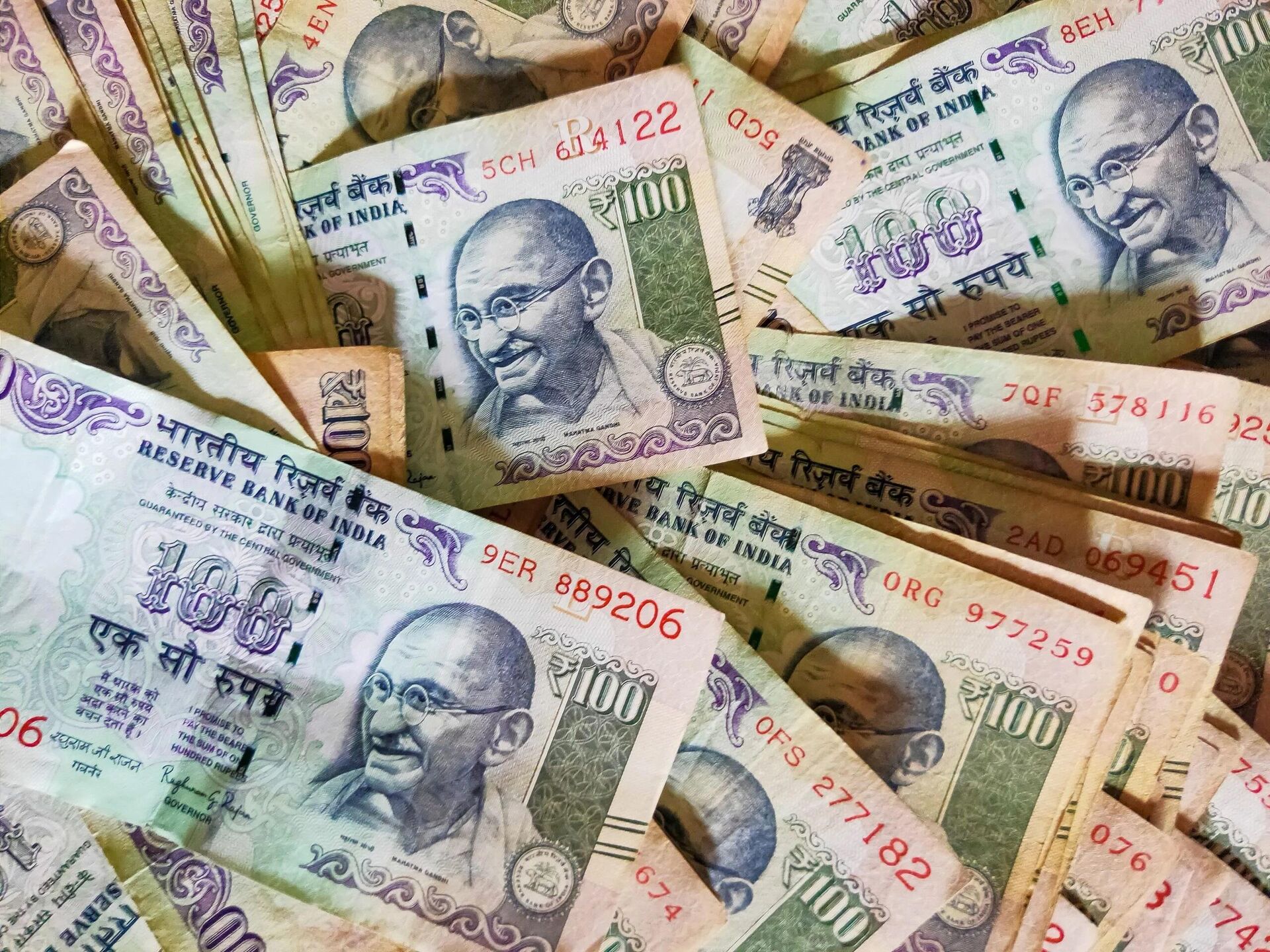
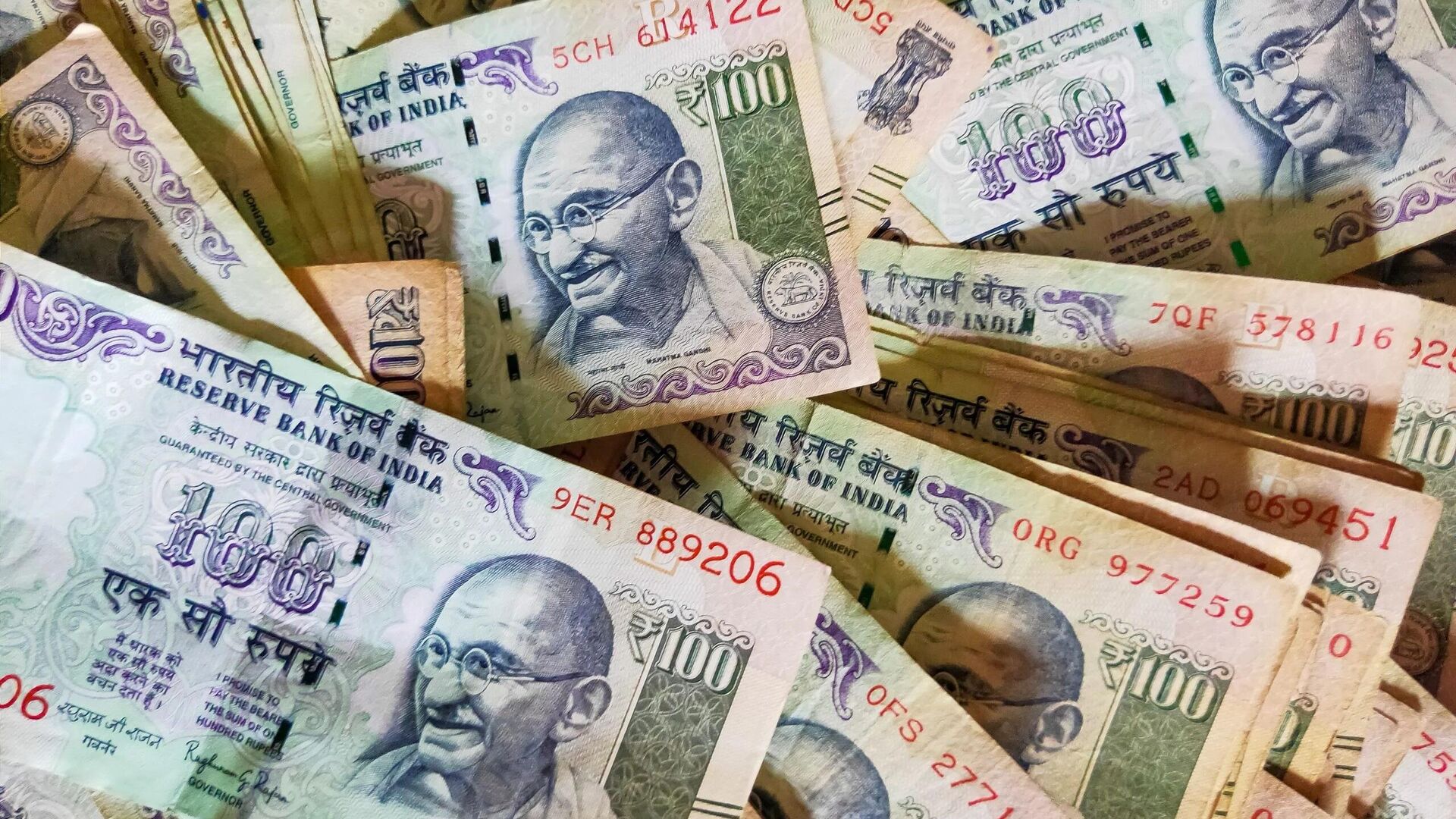
Reserve Bank of India (RBI) chief Sanjay Malhotra said that the internationalisation of the INR was important in view of India's rapid economic growth.
The internationalisation of the Indian Rupee (INR), highlighted by RBI Governor Sanjay Malhotra amid India's strong economic growth, involves expanding the rupee's role in global trade, investment, and financial settlements, an economist has said.
"This gradual shift moves the INR beyond domestic use toward wider international acceptance for invoicing and payments. For India's citizens, it promises practical economic benefits alongside greater stability," Dr Lekha Chakraborty, a professor at the country's premier financial institution, National Institute of Public Finance and Policy (NIPFP) in New Delhi, told Sputnik India.
By settling more trade directly in rupees with partner countries, businesses cut transaction costs and currency conversion risks previously tied to the US dollar. Savings flow downstream to consumers through potentially lower prices on imports, including essentials like energy and commodities. Exporters gain competitiveness, which can support higher revenues, investments, and employment in key sectors such as manufacturing, services, and agriculture, she added.
Ordinary citizens stand to benefit from improved macroeconomic resilience. Reduced dependence on foreign currency reserves eases pressure on the balance of payments, allowing policymakers to prioritise domestic goals like controlling inflation and fostering inclusive growth, the economic affairs pundit highlighted.
Ordinary citizens stand to benefit from improved macroeconomic resilience. Reduced dependence on foreign currency reserves eases pressure on the balance of payments, allowing policymakers to prioritise domestic goals like controlling inflation and fostering inclusive growth, the economic affairs pundit highlighted.
"Remittance-dependent families could see faster, cheaper transfers through rupee-based channels. As foreign investors engage more comfortably with rupee instruments, capital inflows could expand opportunities in infrastructure, housing, and small enterprises that employ millions," Chakraborty underscored.
A stronger international rupee also buffers against global shocks. Exchange rate volatility has often affected purchasing power and living costs; greater rupee usage promotes steadier prices and financial confidence. Over time, Indian banks may introduce more accessible international rupee products, benefiting savers and borrowers alike, she reckoned.
While challenges remain—such as building deeper financial markets and careful capital account management—the approach is measured to minimise risks. For 1.4 billion Indians, rupee internationalisation supports a more self-reliant yet globally integrated economy. It aligns with India's growth ambitions, offering citizens more stable finances, affordable essentials, and enhanced economic participation in a changing world, the academic noted.
While challenges remain—such as building deeper financial markets and careful capital account management—the approach is measured to minimise risks. For 1.4 billion Indians, rupee internationalisation supports a more self-reliant yet globally integrated economy. It aligns with India's growth ambitions, offering citizens more stable finances, affordable essentials, and enhanced economic participation in a changing world, the academic noted.
"The agreement by 22 nations, including Russia and the UAE, to trade with India in national currencies represents a key step in INR internationalisation. This enhances India's economic sovereignty by reducing reliance on dominant foreign currencies and increasing policy autonomy in a multipolar global system," Chakraborty explained.
Sovereignty here means greater freedom to shape economic policies without external currency constraints. Dollar dependence has exposed India to foreign monetary decisions, capital flow reversals, and geopolitical risks. Local-currency trade arrangements, such as rupee-ruble or rupee-dirham settlements, minimise these vulnerabilities. They lower costs, eliminate intermediary risks, and ensure stable access to critical imports even amid global tensions, she underlined.
This shift conserves foreign exchange reserves, redirecting resources toward domestic priorities like infrastructure and social welfare. It diversifies payment mechanisms, reducing susceptibility to international financial networks and external sanctions. For strategic sectors including energy and defence, it provides reliable transaction channels that safeguard national interests, the analyst noted.
This shift conserves foreign exchange reserves, redirecting resources toward domestic priorities like infrastructure and social welfare. It diversifies payment mechanisms, reducing susceptibility to international financial networks and external sanctions. For strategic sectors including energy and defence, it provides reliable transaction channels that safeguard national interests, the analyst noted.
"Monetary policy gains independence as well. With wider rupee acceptance, authorities can focus on domestic needs rather than constant external adjustments. It encourages the development of robust financial markets, supporting controlled liberalisation and positioning India as a stronger economic player. Additional benefits include seigniorage from international rupee holdings and expanded trade opportunities," Chakraborty asserted.
This is strategic integration, not isolation. It complements engagement with diverse partners while building resilience. Prudent regulation addresses potential volatility, ensuring stability. Ultimately, anchoring more economic activity in its own currency empowers India to pursue independent development goals, negotiate from strength, and weather global uncertainties. INR internationalisation thus reinforces sovereignty as a platform for sustainable, self-determined growth, she concluded.