How India's Indigenous Project Kusha Complements S-400 Defence System?
© Sputnik / Alexey Kudenko
/ Subscribe

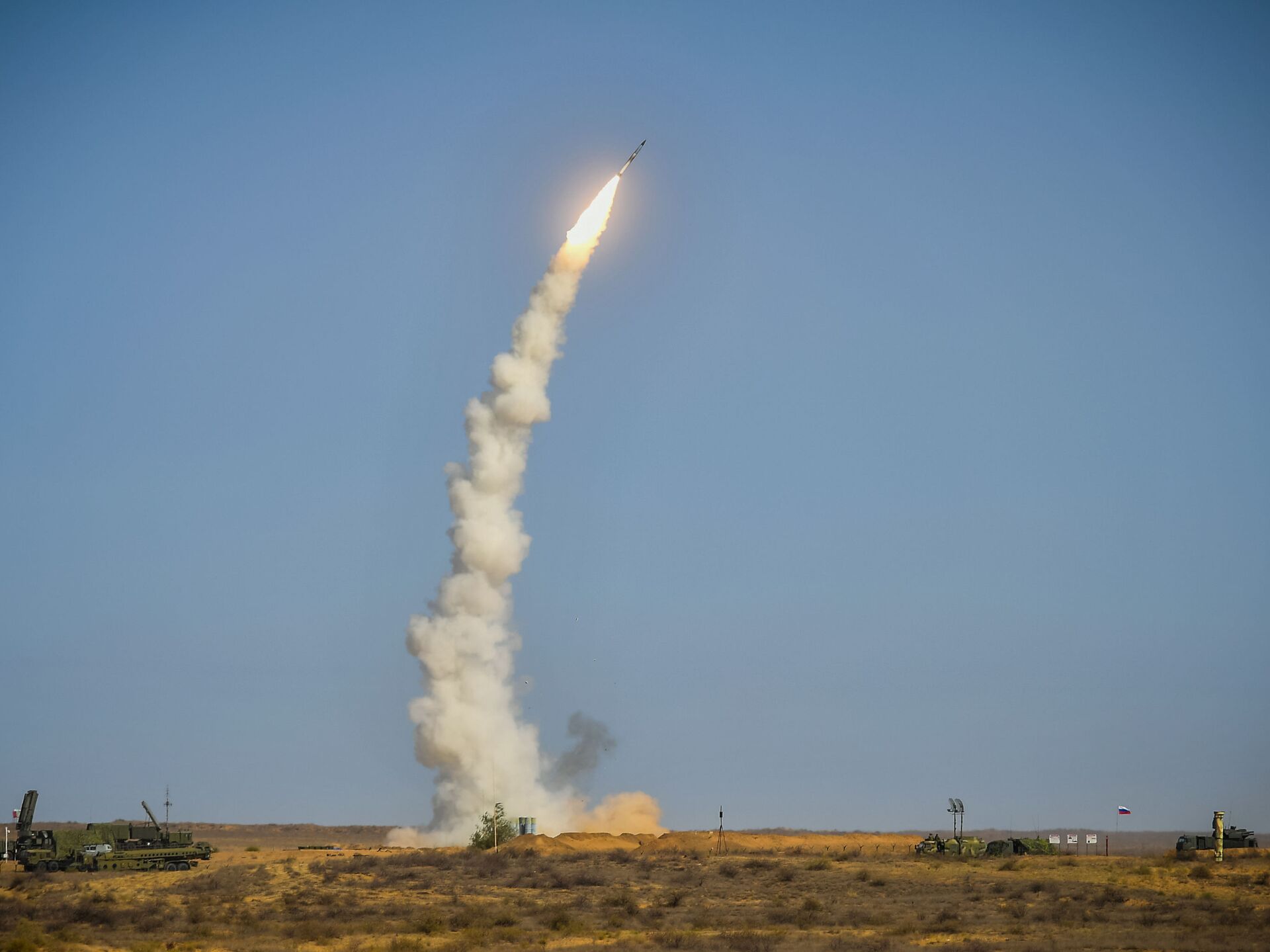
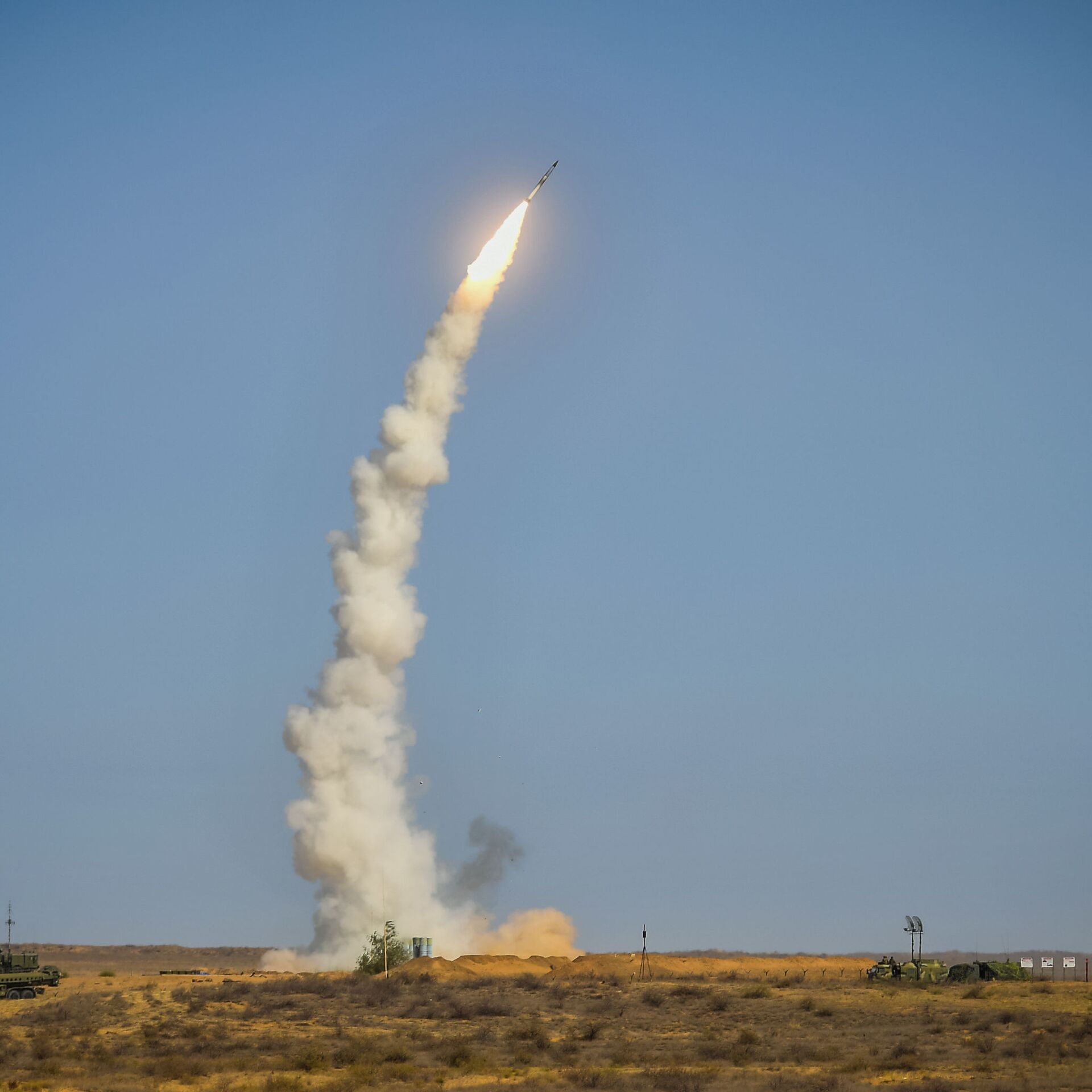
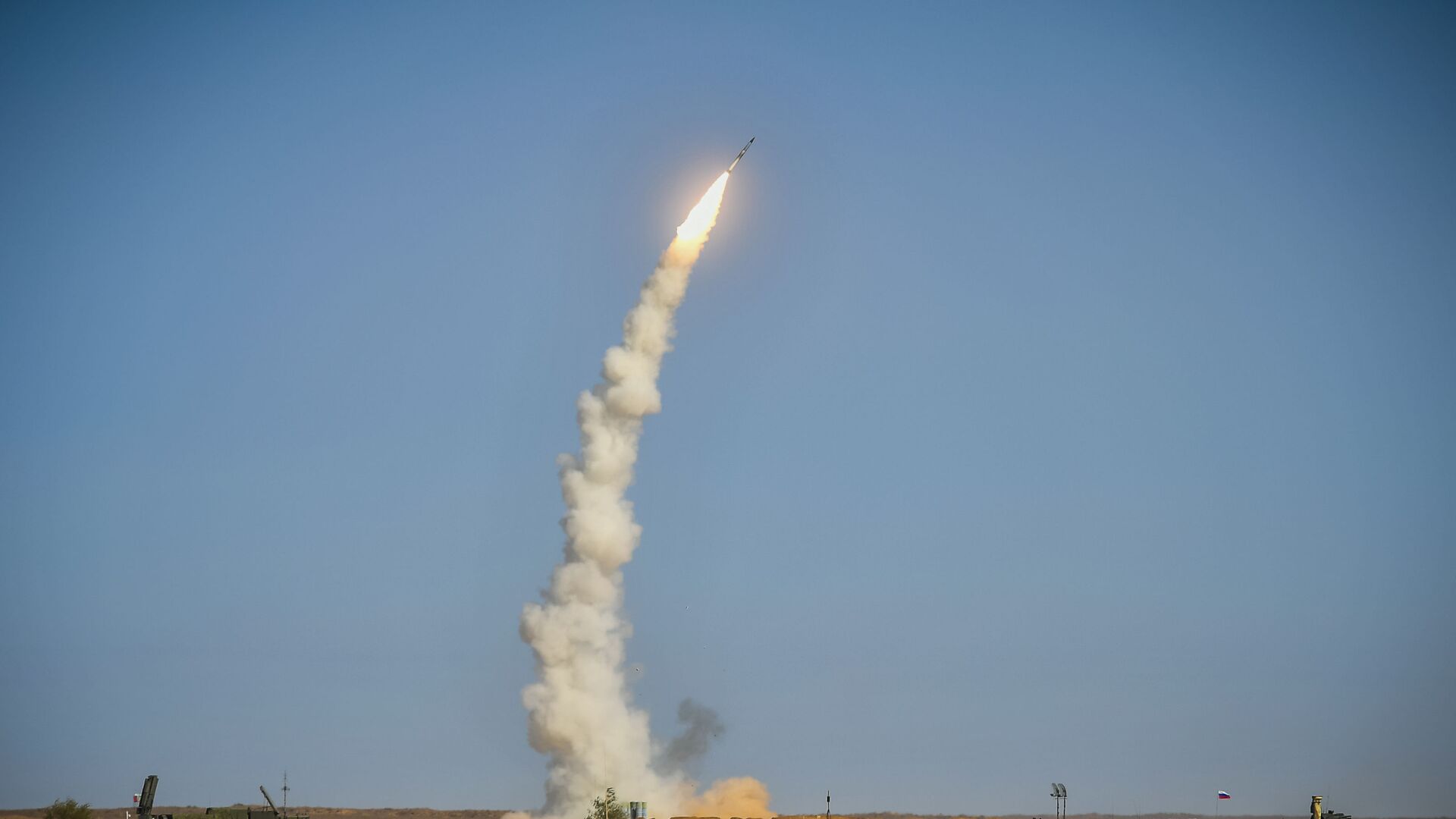
Last week, India's Defence Research and Development Organisation (DRDO) conducted the first flight test of Project Kusha in which its MI interceptor neutralised a simulated target at a range of 150 km.
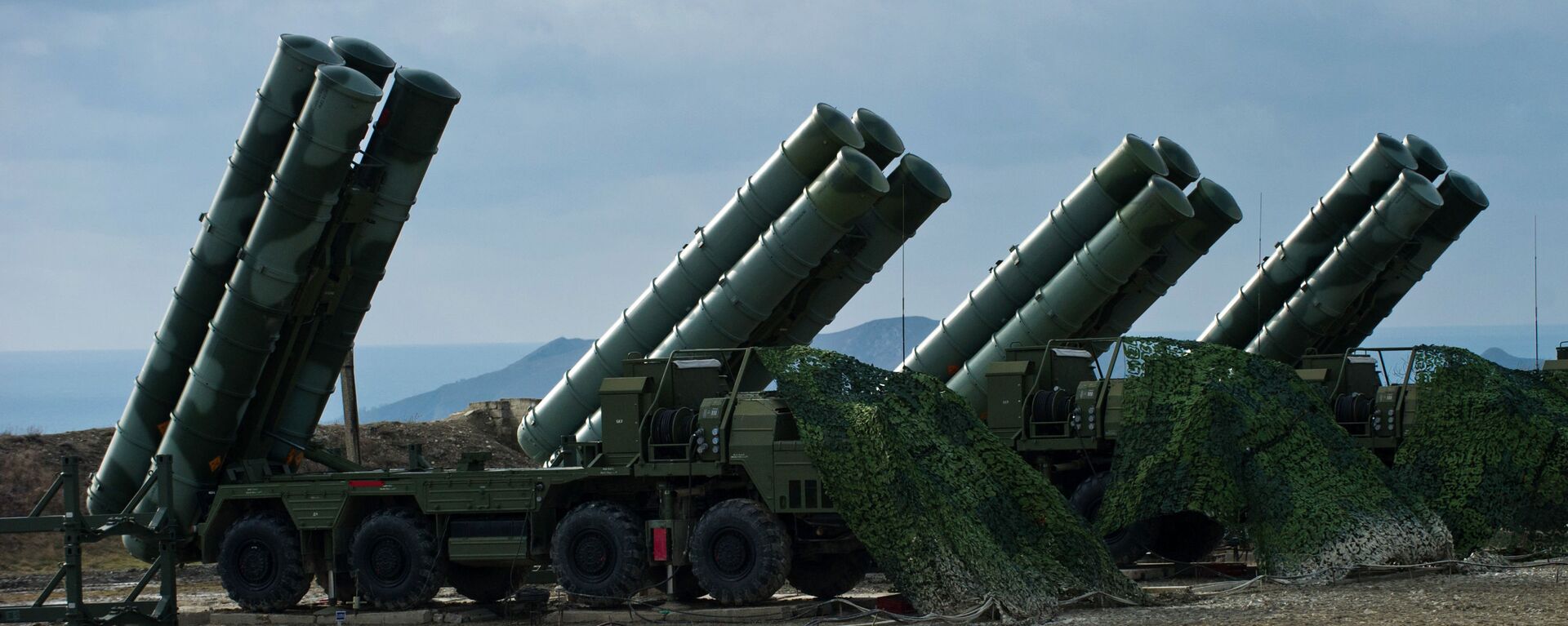
Project Kusha, also referred to as India's indigenous long-range air defence system, is intended to address a critical capability gap between the Medium Range Surface to Air Missile (MRSAM) and the S-400 by creating a more layered and self-reliant air defence architecture, an expert has said.
"While the MRSAM is designed to defend military formations and strategic assets against aircraft, helicopters, UAVs, and cruise missiles at medium ranges (maximum range of 80 km), and the S-400 provides very long-range area air defence, there has been a relative gap in indigenous long-range interception capability," Harpreet Sidhu, an aviation pundit with military data provider GlobalData, told Sputnik India.
Kusha is expected to bridge this gap through a family of interceptors with different engagement envelopes. Open-source reports suggest the system may include missiles capable of intercepting targets at approximately 150 km, 250 km, and up to around 350 km, enabling commanders to engage threats at multiple distances depending on the target profile, he added.
The military commentator underscored that operationally, this offers several advantages:
The military commentator underscored that operationally, this offers several advantages:
It creates multiple engagement opportunities, increasing the probability of destroying incoming threats before they reach critical infrastructure.
It reduces dependence on imported strategic air defence systems, supporting India’s objective of defence self-reliance.
It allows the S-400 to focus on high-value, long-range threats while Kusha handles a broader spectrum of engagements, improving the overall efficiency of the integrated air defence network.
It also strengthens protection against evolving threats such as cruise missiles, stand-off weapons, UAV swarms, and, potentially, certain ballistic missile threats depending on the interceptor variant.
"Rather than replacing either MRSAM or the S-400, Kusha is designed to complement both as part of a layered defence architecture," Sidhu underlined.
The concept of Sudarshan Chakra is best understood as a multi-layered Integrated Air Defence System (IADS) rather than a single weapon platform. Its effectiveness will depend on how seamlessly sensors, command-and-control systems, and interceptors operate together, he noted.
Besides Kusha and the S-400, the architecture is expected to include:
Besides Kusha and the S-400, the architecture is expected to include:
1.
Akash and Akash-NG for short- and medium-range air defence.2.
MRSAM protecting critical military and strategic assets.3.
The Integrated Counter-UAS System (ICUAS) for detecting and neutralising drones and loitering munitions.4.
Ballistic missile defence assets, including the Prithvi Air Defence/Prithvi Defence Vehicle (PAD/PDV) and Advanced Air Defence (AAD/AD-1/AD-2) interceptor programmes as they mature.5.
Long-range surveillance assets such as ground-based radars, over-the-horizon sensors, and AEW&C platforms like the Netra and Phalcon aircraft.6.
A nationwide network of command-and-control nodes, secure communications, and data fusion systems under the Indian Air Force's Integrated Air Command and Control System (IACCS).The biggest challenge is not the missiles themselves—it is systems integration, the analyst stressed.
"Each platform uses different radars, engagement doctrines, communication protocols, and software architectures. Some are indigenous, while others originate from Russia, Israel, and other foreign suppliers. Ensuring real-time interoperability, preventing duplicate engagements, prioritising threats, resisting cyberattacks, and maintaining secure data links requires highly sophisticated command-and-control software," Sidhu reckoned.
India has already made considerable progress through the IACCS, which integrates radar feeds and air defence assets across the country. As more indigenous systems like Kusha and Akash-NG enter service, integration should become easier because they can be designed from the outset to operate within a common network, he explained.
If successfully implemented, Sudarshan Chakra would provide India with a layered, network-centric shield capable of defending against aircraft, cruise missiles, ballistic missiles, drones, and other emerging aerial threats, significantly strengthening the country’s overall air defence posture, the defence specialist summed up.
If successfully implemented, Sudarshan Chakra would provide India with a layered, network-centric shield capable of defending against aircraft, cruise missiles, ballistic missiles, drones, and other emerging aerial threats, significantly strengthening the country’s overall air defence posture, the defence specialist summed up.