Kamikaze Drones to Add Firepower & Flexibility of Indian Navy's Ships at Sea: Military Veteran
© AP Photo / Channi Anand
Subscribe

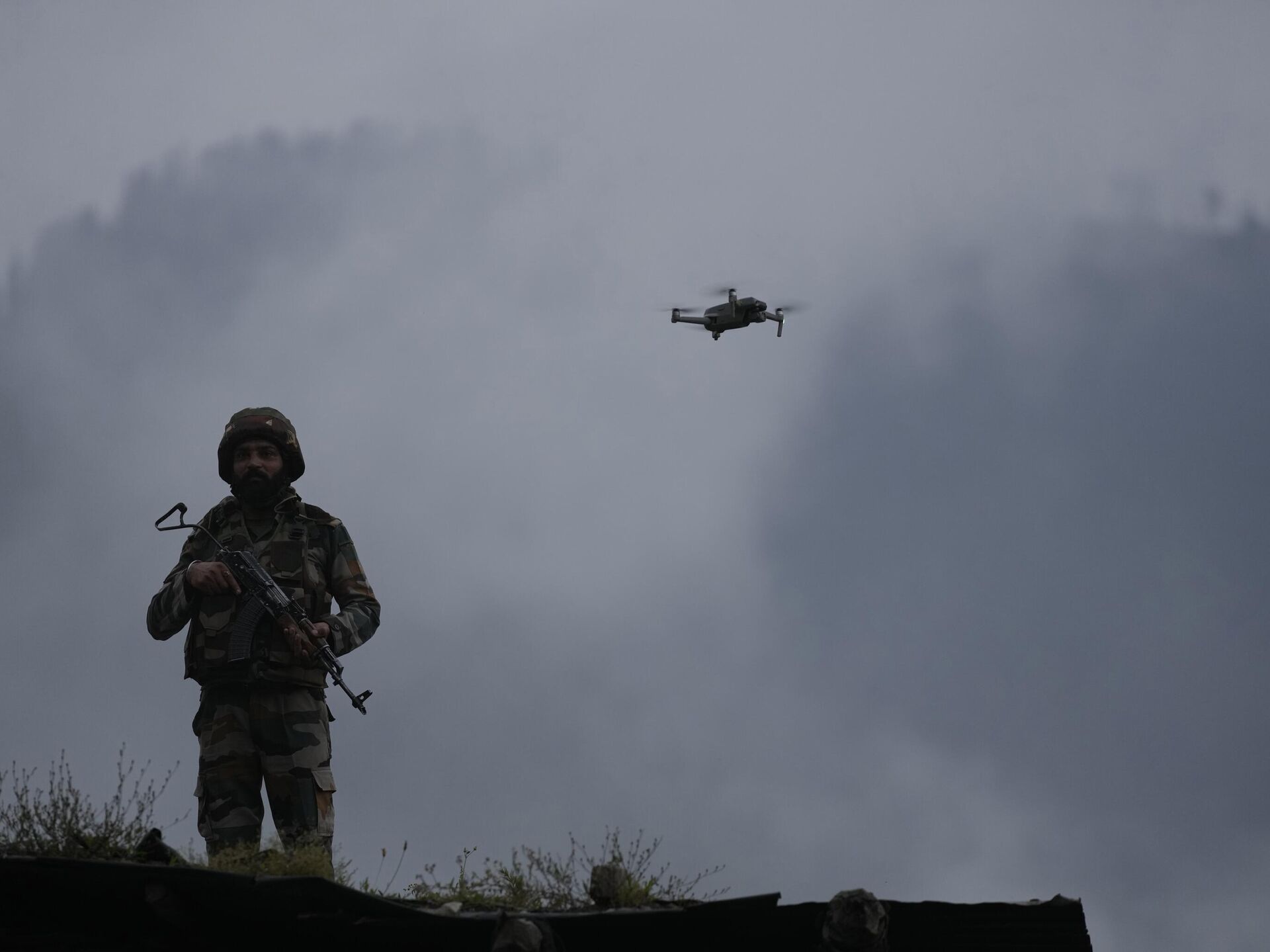
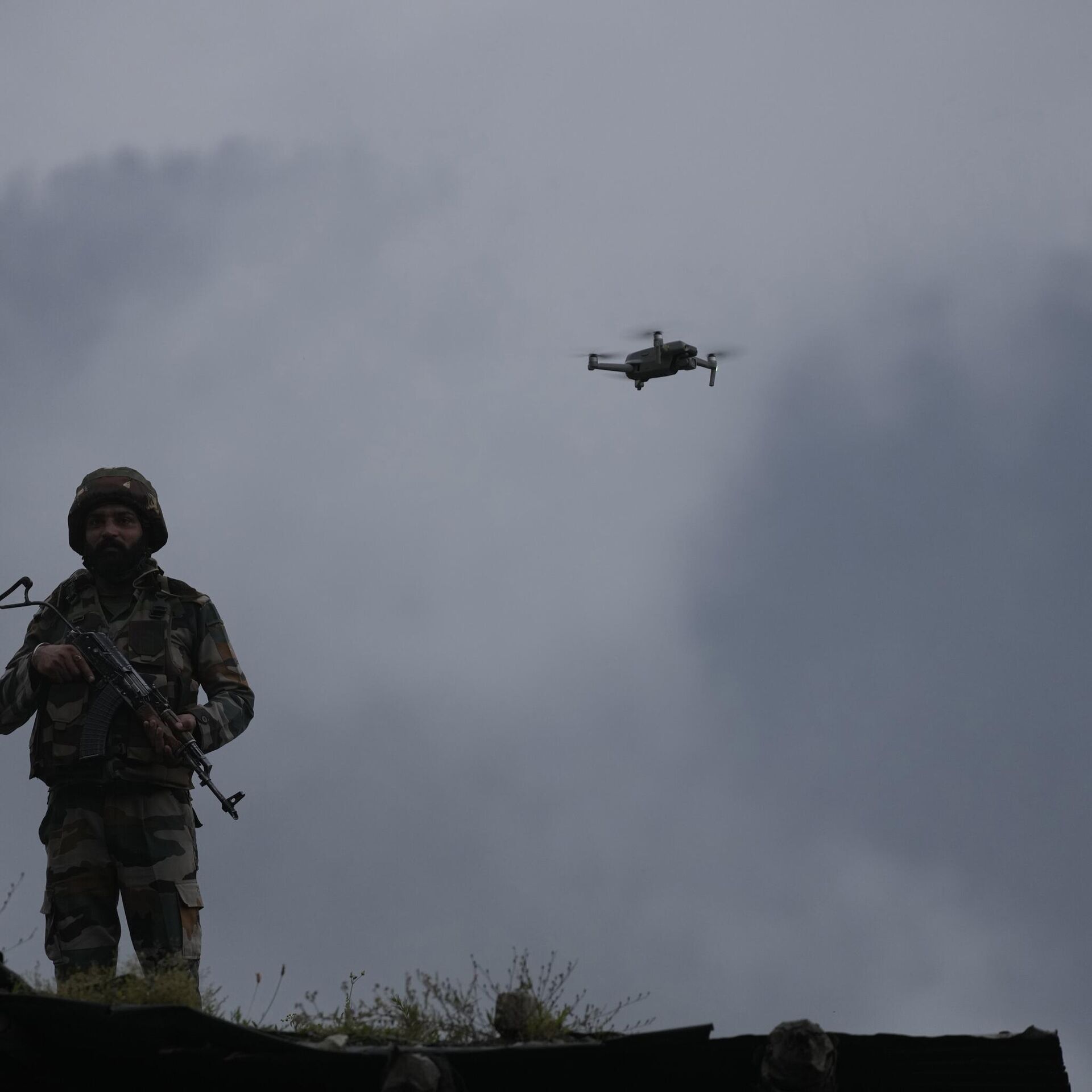
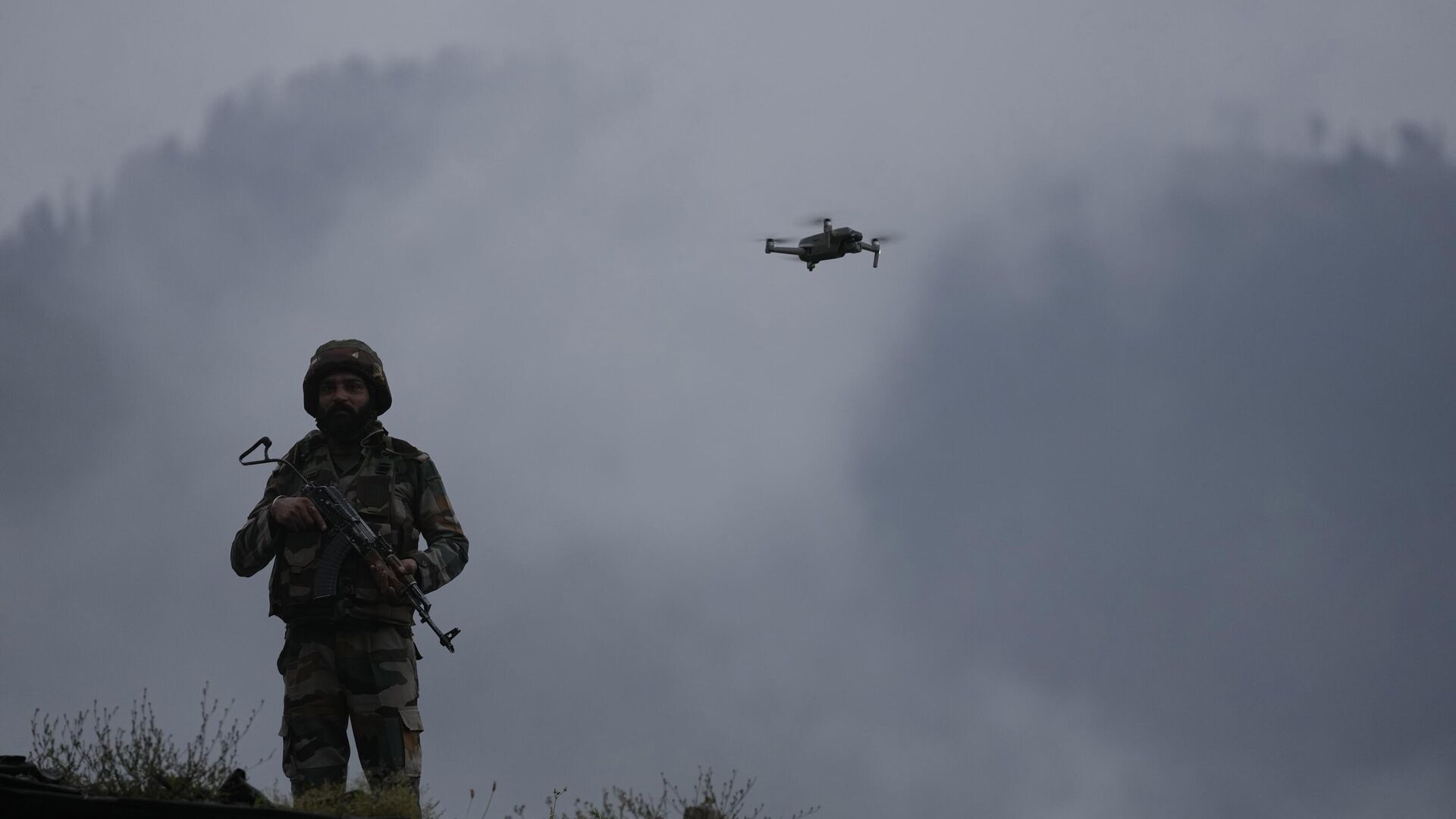
Like most modern navies, the Indian Navy is planning to integrate loitering munitions or Kamikaze drones into its fleet, a move accentuated by the success of these attack UAVs during the conflicts in Ukraine and the Middle East.
India's Ministry of Defence (MoD) has issued a Request for Information (RFI) for the acquisition of naval kamikaze drones with a range of over 1,000 km, a patrol endurance of up to nine hours and travelling speeds of more than 75 knots.
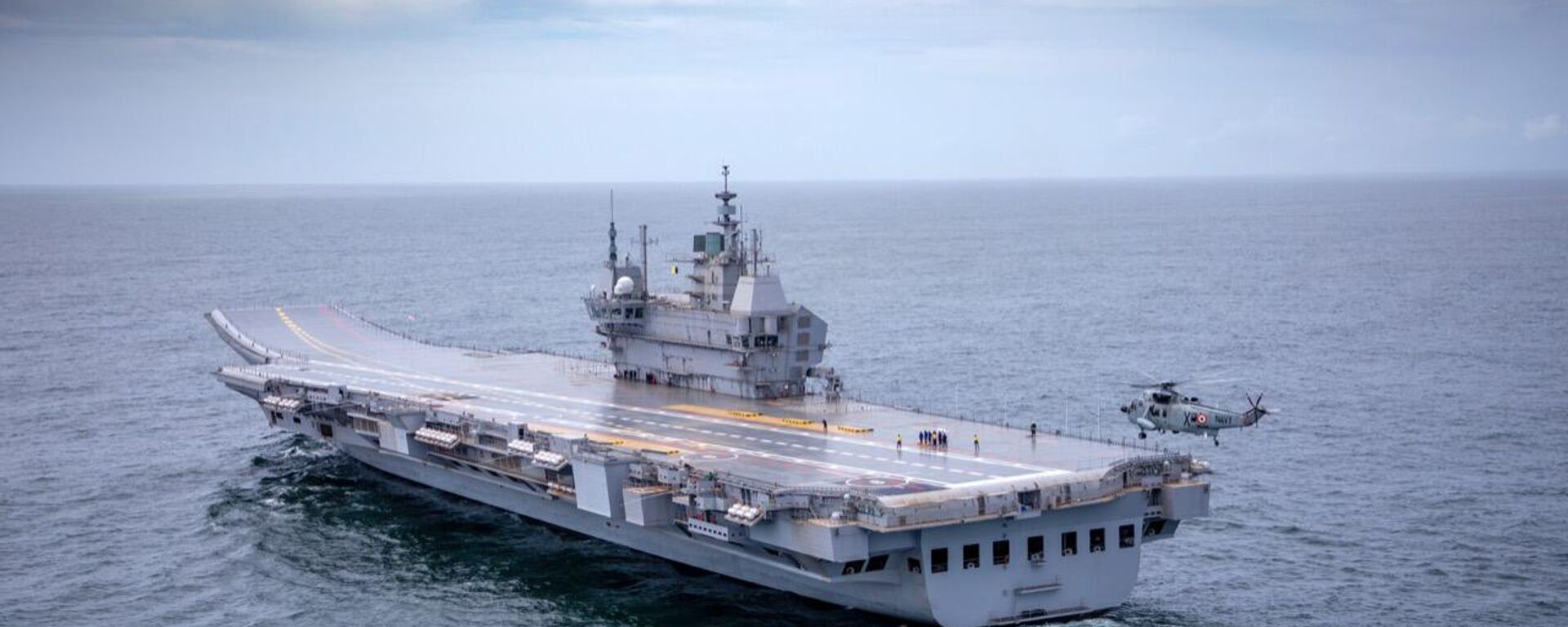
"The Ministry of Defence (MoD), Government of India (GoI), intends to induct Loitering Munition (Medium Range) {LM (MR)} that is capable of sea-based (ship-mounted) operations. The MoD, GoI, intends to utilise the LM (MR) for operations from Indian Navy ships," the RFI stated.
"These systems shall be utilised for targeting opportune targets at sea and on land," it added.
"These systems shall be utilised for targeting opportune targets at sea and on land," it added.
One of the most interesting requirements made under the RFI by the Navy is for the loitering munition to have the ability to change control of an in-flight weapon to another ship or a unit based on land, which means that a Kamikaze drone could be launched from a different vessel and then managed from another platform to target the adversary.
Analysts reckon the RFI reflects a broader churn in advanced navies around the world, where these forces are looking at a "surprise element" in their arsenal, and there's little doubt that loitering munitions provide that "shock" value.
Indian Navy veteran Captain (Retd) Sarabjeet Singh Parmar underscored that delivery of credible power projection over long ranges is an important part of naval combat power, and maritime strike forms an integral part of this aspect, which is exercised through surface, air and surface vectors using the inventory of existing weapons.
Analysts reckon the RFI reflects a broader churn in advanced navies around the world, where these forces are looking at a "surprise element" in their arsenal, and there's little doubt that loitering munitions provide that "shock" value.
Indian Navy veteran Captain (Retd) Sarabjeet Singh Parmar underscored that delivery of credible power projection over long ranges is an important part of naval combat power, and maritime strike forms an integral part of this aspect, which is exercised through surface, air and surface vectors using the inventory of existing weapons.
"Naval kamikaze drones will augment this capability by adding to the inventory of existing weapons like guns, missiles, and torpedoes. Kamikaze drones with the given range and patrol endurance time will provide a commander at sea the added flexibility of target selection while taking advantage of the principles of war, mainly, surprise and economy of effort," Parmar told Sputnik India.
Moreover, in the armed forces, weapon selection depends on the target. In modern warfare, missiles have longer ranges compared to small arms like guns and can be used against a variety of targets at longer ranges, he added.
Besides, missiles carry more explosives and hence, have more destruction capability. Their speed, for example, the BrahMos travels at nearly Mach 3, making missiles a potent weapon. However, missiles once fired cannot be reprogrammed to another target, the military pundit explained.
Besides, missiles carry more explosives and hence, have more destruction capability. Their speed, for example, the BrahMos travels at nearly Mach 3, making missiles a potent weapon. However, missiles once fired cannot be reprogrammed to another target, the military pundit explained.
"On the other hand, Kamikaze drones carry comparatively lesser explosives, but provide the commander the flexibility to deploy them in numbers to make up for the quantity of explosives. In a nutshell, these kamikaze drones will add to the firepower and flexibility of ships and the fleet at sea and will enhance the naval combat power of the Indian Navy," Parmar concluded.