Will the FTA With EAEU Reduce India’s Reliance on Western Nations in Critical Sectors?
© Sputnik / Ramil Sitdikov
Subscribe

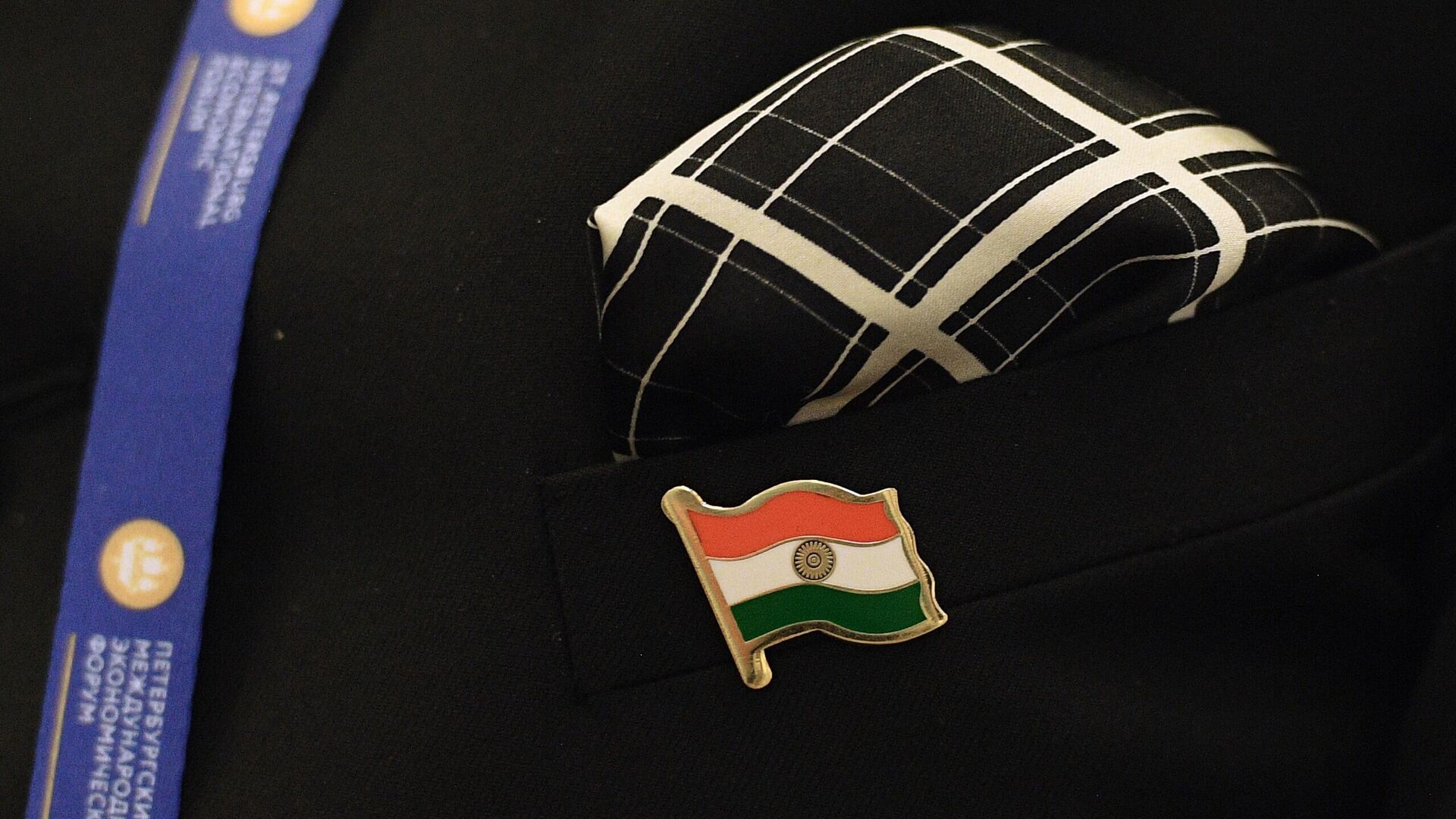
India is in talks with the Eurasian Economic Union (EAEU) for a Free Trade Agreement (FTA) in a bid to “reduce trade barriers, boost market access for Micro, Small and Medium Enterprises (MSMEs)”.
The India-EAEU FTA could strengthen economic ties between Indian cities, states, and diverse sectors, an expert has said.
“An India–EAEU FTA could create significant opportunities for several Indian industries. Pharmaceuticals and healthcare may benefit from growing demand for affordable medicines, especially generic medicines, vaccines and medical devices. Joint production of vaccines and medical devices are the opportunity,” Dr Sumant Swain, Deputy Director, Eurasian Foundation, told Sputnik India.
Mumbai could benefit through diamonds, pharmaceuticals, and logistics, while Ahmedabad and Surat may gain from textiles, chemicals, engineering, and jewellery. Chennai and Bengaluru could see opportunities in IT, engineering, and automobiles, while Hyderabad and Visakhapatnam may benefit from pharmaceuticals and industrial exports, he added.
Engineering, machinery, automobiles and auto components may gain from new industrial markets, while IT and digital services could strengthen India’s presence in Eurasian economies. Agriculture and processed foods, including rice, spices, tea and seafood, could also gain momentum. Chemicals, fertilisers, logistics and port-related services may expand further. Importantly, MSMEs and export-oriented manufacturing could become major beneficiaries, generating investment and employment, the think tanker reckoned.
Engineering, machinery, automobiles and auto components may gain from new industrial markets, while IT and digital services could strengthen India’s presence in Eurasian economies. Agriculture and processed foods, including rice, spices, tea and seafood, could also gain momentum. Chemicals, fertilisers, logistics and port-related services may expand further. Importantly, MSMEs and export-oriented manufacturing could become major beneficiaries, generating investment and employment, the think tanker reckoned.
“Moreover, the FTA could generate significant employment in export-oriented manufacturing, MSMEs, warehousing, transportation, ports, logistics, and business services. It could also support smart-city development, sectoral growth, and port-led development by strengthening logistics infrastructure and connectivity,” Swain underlined.
Besides, the India–EAEU FTA could partially reduce India’s dependence on the US, EU and other Western economies by diversifying trade and supply chains toward Russia, Kazakhstan, Belarus, Armenia and Kyrgyzstan, he stated.
It could strengthen cooperation in energy, critical minerals, fertilisers, rare-earth materials, pharmaceuticals, machinery, defence-related industrial inputs, and other strategic sectors. Cooperation through BRICS and the Shanghai Cooperation Organisation (SCO) could further support this diversification, including collaboration on carbon-free energy sources such as nuclear power and hydropower, as well as climate technologies and carbon reporting standards, the strategic affairs pundit observed.
It could strengthen cooperation in energy, critical minerals, fertilisers, rare-earth materials, pharmaceuticals, machinery, defence-related industrial inputs, and other strategic sectors. Cooperation through BRICS and the Shanghai Cooperation Organisation (SCO) could further support this diversification, including collaboration on carbon-free energy sources such as nuclear power and hydropower, as well as climate technologies and carbon reporting standards, the strategic affairs pundit observed.
“India’s existing trade relationship with Russia provides a strong foundation, while deeper EAEU integration could generate cheaper imports, greater export opportunities for Indian businesses, new investment and employment, and more resilient supply chains,” Swain underscored.