https://sputniknews.in/20260813/how-could-india-help-the-philippines-in-its-pursuit-of-archipelagic-defence-11947231.html
How Could India Help the Philippines in Its Pursuit of 'Archipelagic Defence'?
How Could India Help the Philippines in Its Pursuit of 'Archipelagic Defence'?
Sputnik India
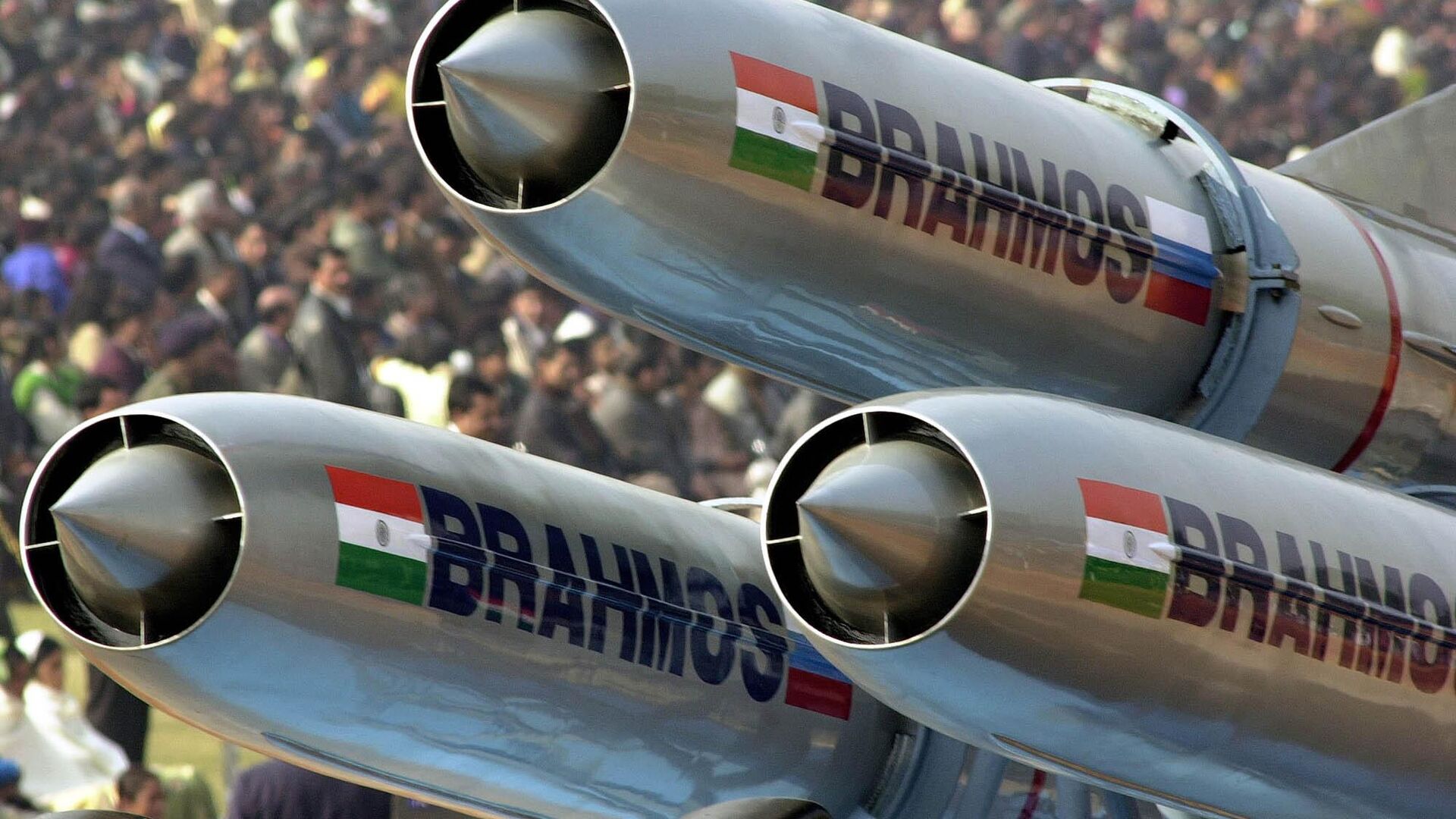
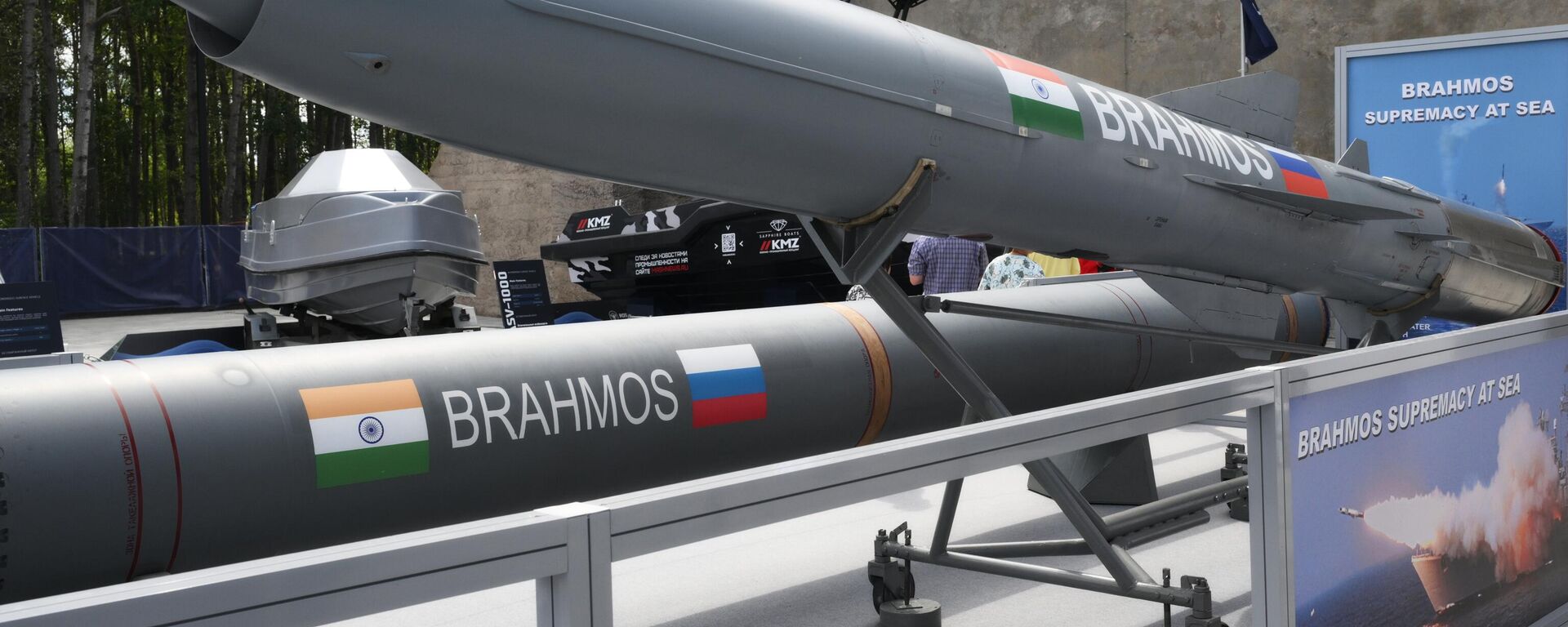
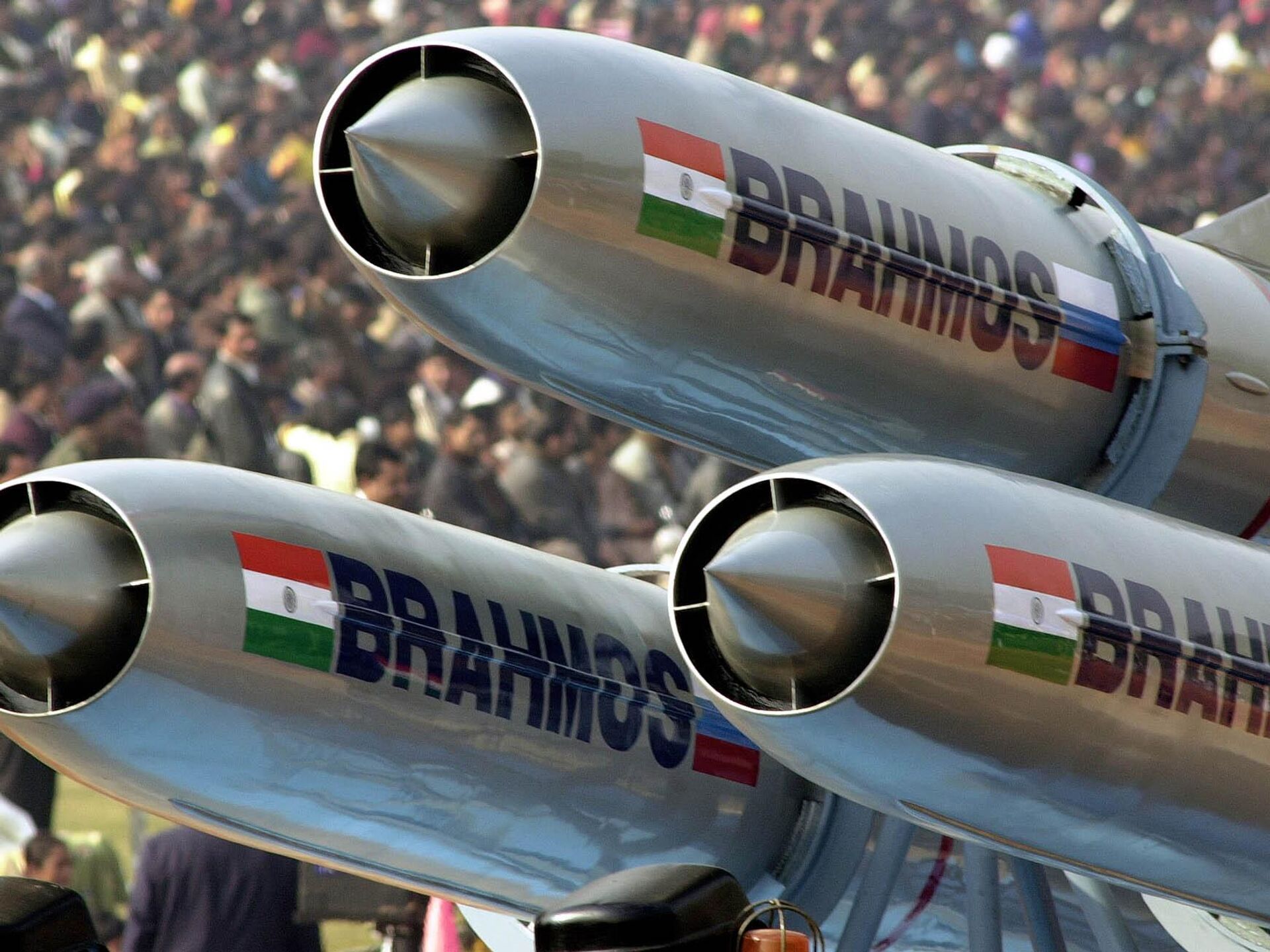
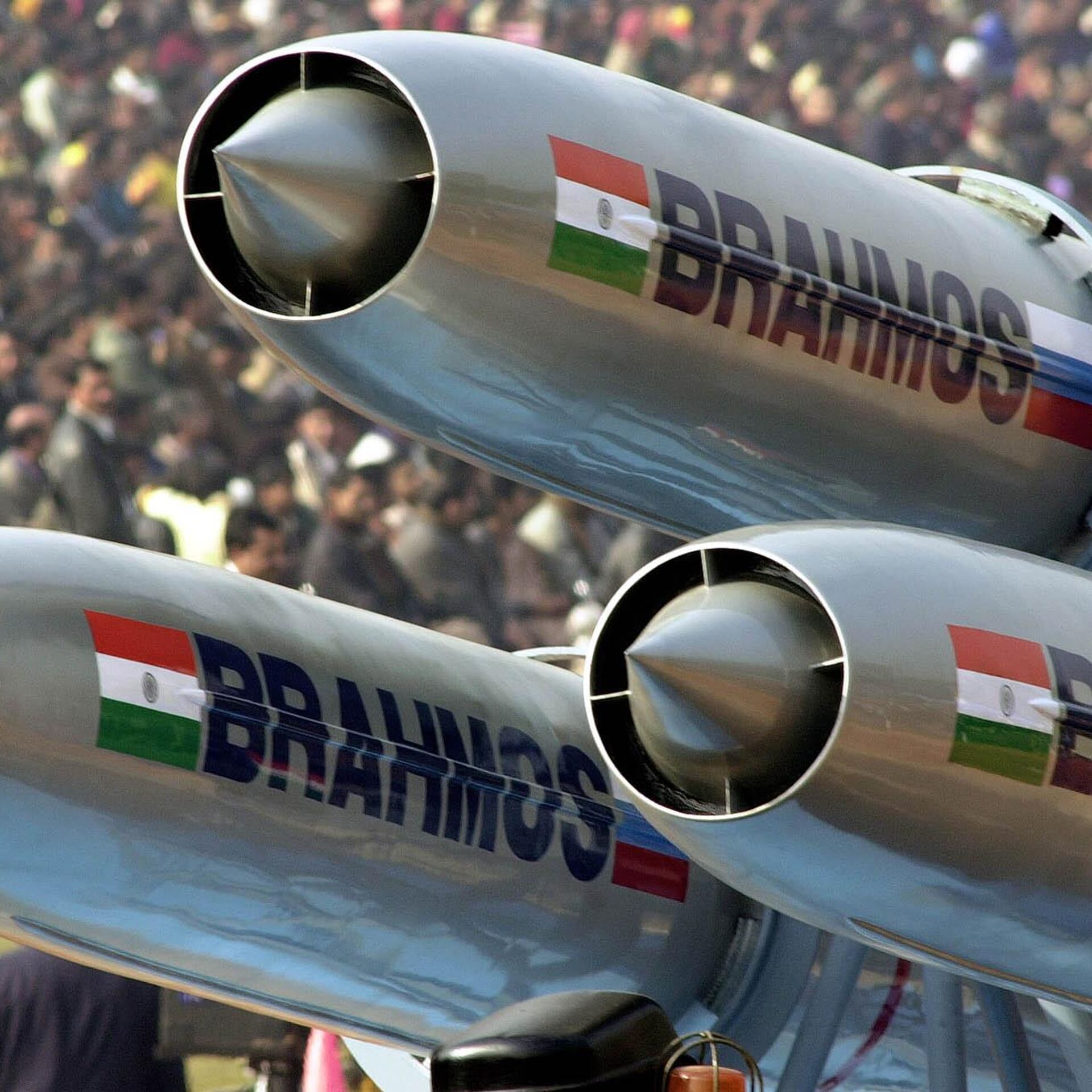
The Philippines is the first foreign customer of the BrahMos missile, the crown jewel of India's defence exports. 13.08.2026, Sputnik India
2026-08-13T18:29+0530
2026-08-13T18:29+0530
2026-08-13T18:29+0530
sputnik opinion
india
new delhi
russia
brahmos supersonic cruise missile
missiles
the philippines
southeast asia
military equipment
military cooperation
https://cdn1.img.sputniknews.in/img/07e8/06/0b/7597900_0:91:2000:1216_1920x0_80_0_0_d359ee0e3148ddbfbf413d39bf6acf34.jpg
Philippines Ambassador to India Josel F Ignacio heaped rich praise on the BrahMos missile, calling the Indo-Russian weapon system "credible deterrence" against the Archipelagic state's enemies.It is worth mentioning that Manila inked a $375 million deal with New Delhi for the acquisition of three batteries of the BrahMos missiles. With the Philippines publicly backing the BrahMos, reports have been swirling that the Southeast Asian nation was rapidly moving towards a follow-on order, a possible procurement of up to nine additional squadrons of the widely-acclaimed missile from India.While the Philippine envoy to India didn't confirm the number or the timeline for such an order, he did disclose that his country was on the verge of expanding its defence partnership with India. He suggested that Manila could even forge joint ventures or have military equipment manufactured locally in the Philippines.According to the Manila-based aerospace and defence industry analyst Miguel Miranda, the Philippine military has embraced an 'Archipelagic Defence' doctrine where robust coastal and area denial systems are essential for blocking the movement of hostile navies and systems like the Indo-Russian joint venture BrahMos and other related missiles are ideal for this kind of war planning. There's no doubt that the US systems are valuable too, but the Philippines can barely afford any of those unless agreements are made to have the US Marines and other elements of military branches operate their own hardware inside the Southeast Asian nation's borders, he added.It also matters to have India's defence ministry and foreign ministry fine-tune their eyes and ears when assessing opportunities in the Philippines. For example, outside the big-ticket military tech, India should dangle radars and sensors to the Philippines since these are essential when monitoring weather events, the observer highlighted.India also needs a huge amount of patience for the Philippines to lay the groundwork--whether legally or through executive decision-making--for manufacturing ventures where Indian companies can make a difference, he noted.
https://sputniknews.in/20260725/brahmos-becoming-the-global-souths-weapon-of-choice-11763127.html
india
new delhi
russia
the philippines
southeast asia
Sputnik India
feedback.hindi@sputniknews.com
+74956456601
MIA „Rossiya Segodnya“
2026
Pawan Atri
https://cdn1.img.sputniknews.in/img/07e6/0c/13/139630_147:0:831:684_100x100_80_0_0_8fa2b25903e7787fe6a2698552c167df.png
Pawan Atri
https://cdn1.img.sputniknews.in/img/07e6/0c/13/139630_147:0:831:684_100x100_80_0_0_8fa2b25903e7787fe6a2698552c167df.png
News
en_IN
Sputnik India
feedback.hindi@sputniknews.com
+74956456601
MIA „Rossiya Segodnya“
Sputnik India
feedback.hindi@sputniknews.com
+74956456601
MIA „Rossiya Segodnya“
Pawan Atri
https://cdn1.img.sputniknews.in/img/07e6/0c/13/139630_147:0:831:684_100x100_80_0_0_8fa2b25903e7787fe6a2698552c167df.png
india, new delhi, russia, brahmos supersonic cruise missile, missiles, the philippines, southeast asia, military equipment, military cooperation, defense pact, defense sector, defense export
india, new delhi, russia, brahmos supersonic cruise missile, missiles, the philippines, southeast asia, military equipment, military cooperation, defense pact, defense sector, defense export
How Could India Help the Philippines in Its Pursuit of 'Archipelagic Defence'?
The Philippines is the first foreign customer of the BrahMos missile, the crown jewel of India's defence exports.
Philippines Ambassador to India Josel F Ignacio heaped rich praise on the BrahMos missile, calling the Indo-Russian weapon system "credible deterrence" against the Archipelagic state's enemies.
"For us, the BrahMos acquisition supports the modernisation of our armed forces and bestows us credible deterrence as we improve our territorial defence posture," Ignacio stated in a Round Table hosted by the Observer Research Foundation in New Delhi on Wednesday.
It is worth mentioning that Manila inked a $375 million deal with New Delhi for the acquisition of three batteries of the BrahMos missiles.
With the Philippines publicly backing the BrahMos, reports have been swirling that the Southeast Asian nation was rapidly moving towards
a follow-on order, a possible procurement of up to nine additional squadrons of the widely-acclaimed missile from India.
While the Philippine envoy to India didn't confirm the number or the timeline for such an order, he did disclose that his country was on the verge of expanding its defence partnership with India. He suggested that Manila could even forge joint ventures or have military equipment manufactured locally in the Philippines.
"We're not just talking about buying equipment from India, but even in fact going beyond that to perhaps cooperating with India... into creating a similar one in the Philippines, going by the Indian experience," he underlined.
According to the Manila-based aerospace and defence industry analyst Miguel Miranda, the Philippine military has embraced an 'Archipelagic Defence' doctrine where robust coastal and area denial systems are essential for blocking the
movement of hostile navies and systems like the Indo-Russian joint venture BrahMos and other related missiles are ideal for this kind of war planning.
There's no doubt that the US systems are valuable too, but the Philippines can barely afford any of those unless agreements are made to have the US Marines and other elements of military branches operate their own hardware inside the Southeast Asian nation's borders, he added.
"India's companies have an incredible chance for the next 10-15 years to help the Philippine government in every conceivable endeavour. It's not just related to 'defence' or 'national security. However, the Government of India has to tailor a long-term strategy for helping the Philippines and build an enduring alliance. Japan follows this path, and it has been rewarded with fresh opportunities, helping the Philippines in diplomacy and in maritime disputes," Miranda told Sputnik India.
It also matters to have India's defence ministry and foreign ministry fine-tune their eyes and ears when assessing opportunities in the Philippines. For example, outside the big-ticket military tech, India should dangle radars and sensors to the Philippines since
these are essential when monitoring weather events, the observer highlighted.
India also needs a huge amount of patience for the Philippines to lay the groundwork--whether legally or through executive decision-making--for manufacturing ventures where Indian companies can make a difference, he noted.
"This spans everything from shipyards to transport infrastructure and updating local airports. Ultimately, India needs the best possible intelligence on the Philippine government's activities so it can dangle the solutions for whatever problems arise," Miranda summed up.