https://sputniknews.in/20260416/five-lessons-india-must-learn-from-the-iran-war-10759032.html
Five Lessons India Must Learn From the Iran War
Five Lessons India Must Learn From the Iran War
Sputnik India
The Iran war has surprised many, especially the extent of damage the Islamic Republic has managed to inflict on the technologically superior American and... 16.04.2026, Sputnik India
2026-04-16T21:24+0530
2026-04-16T21:24+0530
2026-04-16T21:24+0530
sputnik opinion
india
iran
us
tehran
washington d.c.
delhi
new delhi
middle east
middle east crisis
https://cdn1.img.sputniknews.in/img/07ea/04/10/10766563_105:0:1330:689_1920x0_80_0_0_d87901d1f8a377536a817c1c0a4aa14f.jpg
Modern conflicts are no longer confined to a single arena; success requires coordination across land, air, sea, space, cyberspace, and the information domain, and India must learn this craft fast to come out on top of its enemies, an expert has said.1. Multi-Domain OperationsFuture wars will be fought on multiple domains simultaneously, so India needs unified planning and command structures that can leverage strength in each domain to support the others, he suggested. Multi-domain synergy will ensure that kinetic actions, such as like air or land strikes, are enhanced by cyber and electronic warfare support, while information operations shape narratives and morale on the home front and internationally, the analyst added.2. Heavy Drone UseDuring the war, in Iran's battle US–Israel hostilities, drones have proven to be a game-changed: unmanned aerial vehicles were used extensively for both intelligence gathering and precision strikes, Sidhu remarked. Drones provide real-time surveillance and can strike targets without putting pilots at risk, which redefines battlefield tactics. The Iran war scenario showed that even a lesser air force can deploy numerous drones to harass superior militaries – Iranian drones attacked air defence systems, oil facilities, and other critical infrastructure, sometimes overwhelming the US and Israel high-tech defences, the observer highlighted.India needs to invest in a robust fleet of drones – surveillance drones, armed drones, and loitering munitions – to augment traditional forces; as well as develop strong anti-drone measures, the pundit underscored.3. Precision Missile ExpenditureHigh-precision missiles and guided munitions played a central role in the war, underlining the importance of having an ample stockpile of such weapons. The war witnessed a massive expenditure of precision missiles in the opening days as some Iranian targets were bombarded with cruise missiles.However, the United States reportedly spent over $5 billion in just the first two days of the Iran conflict.The takeaway for India is that while precision-guided missiles are crucial for quick, decisive strikes, their high cost and limited inventory can strain resources in a prolonged fight, he underscored.At the same time, Indian planners should consider the cost asymmetry: firing an expensive missile to down a cheap drone or destroy a minor target is not sustainable. The lesson is to invest in affordable precision options (like loitering munitions or indigenous cruise missiles) and use the high-end missiles judiciously on truly critical targets, the analyst stressed.4. Electronic WarfareThe US and Israel's campaign highlighted that dominating the electromagnetic spectrum is essential in modern war. They systematically employed electronic warfare (EW) — jamming enemy radars and communications, spoofing sensors, and blinding Iran's air defences — to gain an upper hand early in the conflict. In fact, traditional radar-based defensive systems proved vulnerable to suppression by advanced EW tactics. Iran was forced to adapt by using passive sensor networks that don't emit signals, making detection harder and improving survivability in a jamming-rich environment, he pointed out.5. Cyber AttacksOne of the starkest lessons from the US–Israel vs. Iran confrontation is the prominence of cyber warfare. Cyber attacks were launched in tandem with physical military operations, blurring the line between battlefield and home front, he stated. For instance, even as missiles struck military targets, sophisticated malware and hacking campaigns were disrupting Iran's critical infrastructure – radar networks were crippled, hospital systems were disrupted, and city services glitched due to cyber sabotage. This showed that cyber offensives can create chaos behind enemy lines without a single soldier crossing the border, the military commentator reckoned. A savvy combination of cyber attacks with conventional forces, much like hackers knocking out air defences before fighter jets strike, could decisively tip the scales in India’s favour in a conflict. The Iran conflict exemplifies that future wars will be won not just on the ground or in the air, but also in the digital realm, he concluded.
https://sputniknews.in/20260414/us-vice-president-claims-a-lot-of-progress-made-at-us-iran-talks-10752559.html
india
iran
us
tehran
washington d.c.
delhi
new delhi
middle east
Sputnik India
feedback.hindi@sputniknews.com
+74956456601
MIA „Rossiya Segodnya“
2026
Pawan Atri
https://cdn1.img.sputniknews.in/img/07e6/0c/13/139630_147:0:831:684_100x100_80_0_0_8fa2b25903e7787fe6a2698552c167df.png
Pawan Atri
https://cdn1.img.sputniknews.in/img/07e6/0c/13/139630_147:0:831:684_100x100_80_0_0_8fa2b25903e7787fe6a2698552c167df.png
News
en_IN
Sputnik India
feedback.hindi@sputniknews.com
+74956456601
MIA „Rossiya Segodnya“
Sputnik India
feedback.hindi@sputniknews.com
+74956456601
MIA „Rossiya Segodnya“
Pawan Atri
https://cdn1.img.sputniknews.in/img/07e6/0c/13/139630_147:0:831:684_100x100_80_0_0_8fa2b25903e7787fe6a2698552c167df.png
india, iran, us, tehran, washington d.c., delhi, new delhi, middle east, middle east crisis, cyber warfare, electronic warfare system, missiles
india, iran, us, tehran, washington d.c., delhi, new delhi, middle east, middle east crisis, cyber warfare, electronic warfare system, missiles
Five Lessons India Must Learn From the Iran War
The Iran war has surprised many, especially the extent of damage the Islamic Republic has managed to inflict on the technologically superior American and Israeli air defence systems.
Modern conflicts are no longer confined to a single arena; success requires coordination across land, air, sea, space, cyberspace, and the information domain, and India must learn this craft fast to come out on top of its enemies, an expert has said.
1. Multi-Domain Operations
"The US–Israel strategy against Iran demonstrated highly integrated multi-domain operations, where conventional military strikes were synchronised with cyber intrusions and information warfare," Harpreet Sidhu, an analyst with GlobalData, a market intelligence firm specialising in military affairs, told Sputnik India. "India's military need to similarly break silos and achieve seamless integration among its Army, Navy, Air Force, space assets, cyber units, and informational warfare capabilities."
Future wars will be fought on multiple domains simultaneously, so India needs unified planning and command structures that can leverage strength in each domain to support the others, he suggested. Multi-domain synergy will ensure that kinetic actions, such as like air or land strikes, are enhanced by cyber and electronic warfare support, while information operations
shape narratives and morale on the home front and internationally, the analyst added.
During the war, in Iran's battle US–Israel hostilities, drones have proven to be a game-changed: unmanned aerial vehicles were used extensively for both intelligence gathering and precision strikes, Sidhu remarked.
Drones provide real-time surveillance and can strike targets without putting pilots at risk, which redefines battlefield tactics. The Iran war scenario showed that even a lesser air force can deploy numerous drones to harass superior militaries – Iranian drones attacked air defence systems, oil facilities, and other critical infrastructure, sometimes overwhelming the US and Israel high-tech defences, the observer highlighted.
India needs to invest in a robust fleet of drones – surveillance drones, armed drones, and loitering munitions – to augment traditional forces; as well as develop strong anti-drone measures, the pundit underscored.
"Drones can penetrate deep behind enemy lines, create “fear psychosis” among adversaries, and strike high-value targets with precision. India must be prepared to both use drones in large numbers and defend against swarms of hostile drones with technologies like anti-drone systems and improved radar coverage," Sidhu underlined.
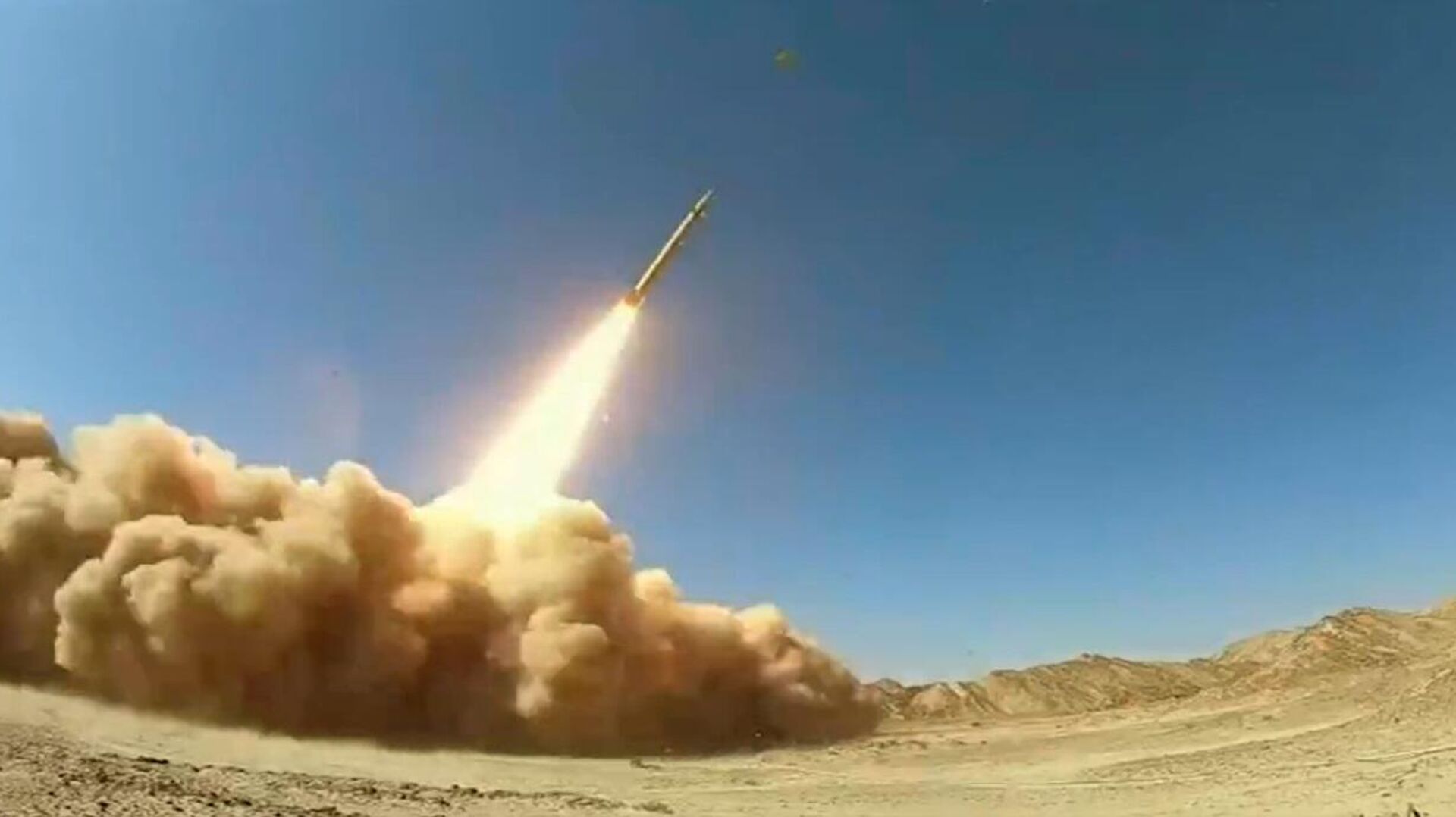
3. Precision Missile Expenditure
High-precision missiles and guided munitions played a central role in the war, underlining the importance of having an
ample stockpile of such weapons. The war witnessed a massive expenditure of precision missiles in the opening days as some Iranian targets were bombarded with cruise missiles.
However, the United States reportedly spent over $5 billion in just the first two days of the Iran conflict.
The takeaway for India is that while precision-guided missiles are crucial for quick, decisive strikes, their high cost and limited inventory can strain resources in a prolonged fight, he underscored.
"India must build up a large reserve of cost-effective precision weapons (from ballistic and cruise missiles to smart artillery shells) and ensure self-reliant production capabilities so it doesn't run out mid-conflict," Sidhu noted.
At the same time, Indian planners should consider the cost asymmetry: firing an expensive missile to down a cheap drone or destroy a minor target is not sustainable. The lesson is to invest in affordable precision options (like loitering munitions or indigenous cruise missiles) and use the high-end missiles judiciously on truly critical targets, the analyst stressed.
The US and Israel's campaign highlighted that dominating the electromagnetic spectrum is essential in modern war. They systematically employed electronic warfare (EW) — jamming enemy radars and communications,
spoofing sensors, and blinding Iran's air defences — to gain an upper hand early in the conflict. In fact, traditional radar-based defensive systems proved vulnerable to suppression by advanced EW tactics. Iran was forced to adapt by using passive sensor networks that don't emit signals, making detection harder and improving survivability in a jamming-rich environment, he pointed out.
"For India, the lesson is clear: develop robust EW capabilities both offensively and defensively. Offensive EW (such as aircraft or drones equipped with jammers and anti-radiation missiles) can cripple an adversary's ability to coordinate on the battlefield by cutting off their 'eyes and ears.' Defensive measures are equally important — India should harden its own radar and communication networks against jamming, perhaps by adopting frequency-hopping, passive detection systems, and redundancies. In future conflicts, electronic dominance may decide who detects and strikes the enemy first, so investing in cutting-edge EW platforms will give India a strategic edge," Sidhu asserted.
One of the starkest lessons from the US–Israel vs. Iran confrontation is the prominence of cyber warfare. Cyber attacks were launched in tandem with physical military operations, blurring the line between battlefield and home front, he stated.
For instance, even as missiles struck military targets, sophisticated malware and hacking campaigns were disrupting Iran's critical infrastructure – radar networks were crippled, hospital systems were disrupted, and city services
glitched due to cyber sabotage. This showed that cyber offensives can create chaos behind enemy lines without a single soldier crossing the border, the military commentator reckoned.
"India must grasp that cyber is now a primary domain of war, not an auxiliary. Developing strong offensive cyber units gives the ability to disable an enemy's air defences, communications, or even power grids at the outset of conflict. Protecting Indian networks (power grids, transportation, communication, finance) against enemy hackers is as vital as missile defence," Sidhu expressed.
A savvy combination of cyber attacks with conventional forces, much like hackers knocking out air defences before fighter jets strike, could decisively tip the scales in India’s favour in a conflict. The Iran conflict exemplifies that future wars will be
won not just on the ground or in the air, but also in the digital realm, he concluded.