https://sputniknews.in/20260813/northern-sea-route-offers-india-clear-edge-over-other-routes-navy-veteran-11947983.html
Northern Sea Route Offers India Clear Edge Over Other Routes: Navy Veteran
Northern Sea Route Offers India Clear Edge Over Other Routes: Navy Veteran
Sputnik India
“India is one of the key countries showing growing interest in cooperation on the Northern Sea Route," Russian President Vladimir Putin said on Wednesday.
2026-08-13T19:44+0530
2026-08-13T19:44+0530
2026-08-13T19:44+0530
indo-russian relations
vladimir putin
narendra modi
india
russia
suez canal
houthis
rosatom
chennai–vladivostok maritime corridor
atlantic ocean
https://cdn1.img.sputniknews.in/img/07e7/03/1b/1312289_0:197:3075:1926_1920x0_80_0_0_401c8a642929cf8d063268aded73a843.jpg
The full operationalisation of 5,600-kilometre Northern Sea Route (NSR), stretching from Murmansk to Vladivostok. promises definitive advantages for India as compared to traditional Suez Canal, the Cape of Good Hope routes or the Strait of Hormuz for that matter, an Indian thinktank chief told Sputnik India.Commodore (retired) Seshadri Vasan, the Director-General (DG) of Chennai Centre for Chinese Studies (C3S), explained that the NSR was one of the three alternate connectivity options being contemplated aggressively in Indian strategic circles in the wake of the blockade of the Strait of Hormuz as well as threats near the Bab el-Mandeb.He listed the International North South Transport Corridor (INSTC) and the India-Middle-East-Europe Economic Corridor (IMEEC) as other promising connectivity options.In July, India's imports of Russian crude shattered all previous records as Delhi sourced an unprecedented 55% of its overall oil needs from Russia, according to ship-tracking data. Besides the Suez Canal route, the other option to get Russian barrels to India is the longer Cape of Good Hope route, where transit times are the longest among all options.Vasan also mulled that the "new equations" emerging in the Middle-East shipping routes, including the issue of paying a toll or inflated shipping insurance costs, could drive up traffic through the NSR in coming years.Another sureshot advantage of NSR lies in reduced transit times and distances, the Indian veteran said.The potential integration of NSR with Chennai-Vladivostok shipping lane as well as the North-South Corridor in coming years offers prospects of multimodal connectivity linking India and other Asian countries with Russia and Europe, Vasan said.At the same time, Vasan noted that NSR remained navigable only between June and October, which was one of the "limitations" in developing the route.At their most recent meeting in Delhi for the India-Russian Annual Summit last December, Prime Minister Narendra Modi and President Putin welcomed the progress made in multi-faceted bilateral cooperation on the Northern Sea Route, according to a joint statement.Modi and Putin vowed to enhance the infrastructure capacity to support INSTC, the Chennai-Vladivostok Corridor and the NSR, as well as welcomed the MoU on training of specialists for vessels operating in polar waters. Both the countries launched a Working Group to promote cooperation on the NSR in 2024.
https://sputniknews.in/20260714/india-and-russia-to-sign-northern-sea-route-shipping-mou-govt-11653903.html
india
russia
suez canal
atlantic ocean
pacific ocean
the arctic
us
iran
Sputnik India
feedback.hindi@sputniknews.com
+74956456601
MIA „Rossiya Segodnya“
2026
Dhairya Maheshwari
https://cdn1.img.sputniknews.in/img/07e6/0c/13/138962_0:0:641:640_100x100_80_0_0_2cb44360dbcdf6d84bf4b299cd045917.jpg
Dhairya Maheshwari
https://cdn1.img.sputniknews.in/img/07e6/0c/13/138962_0:0:641:640_100x100_80_0_0_2cb44360dbcdf6d84bf4b299cd045917.jpg
News
en_IN
Sputnik India
feedback.hindi@sputniknews.com
+74956456601
MIA „Rossiya Segodnya“
Sputnik India
feedback.hindi@sputniknews.com
+74956456601
MIA „Rossiya Segodnya“
Dhairya Maheshwari
https://cdn1.img.sputniknews.in/img/07e6/0c/13/138962_0:0:641:640_100x100_80_0_0_2cb44360dbcdf6d84bf4b299cd045917.jpg
vladimir putin, narendra modi, india, russia, suez canal, houthis, rosatom, chennai–vladivostok maritime corridor, atlantic ocean, russian pacific fleet, pacific ocean, the arctic, multipolar world, us, iran
vladimir putin, narendra modi, india, russia, suez canal, houthis, rosatom, chennai–vladivostok maritime corridor, atlantic ocean, russian pacific fleet, pacific ocean, the arctic, multipolar world, us, iran
Northern Sea Route Offers India Clear Edge Over Other Routes: Navy Veteran
“India is one of the key countries showing growing interest in cooperation on the Northern Sea Route," President Vladimir Putin said on Wednesday, while addressing the Russian Navy's Pacific Fleet personnel aboard missile-cruiser Varyag in the Far-eastern Sakhalin Region.
The full operationalisation of 5,600-kilometre Northern Sea Route (NSR), stretching from Murmansk to Vladivostok. promises definitive advantages for India as compared to traditional Suez Canal, the Cape of Good Hope routes or the Strait of Hormuz for that matter, an Indian thinktank chief told Sputnik India.
Commodore (retired) Seshadri Vasan, the Director-General (DG) of Chennai Centre for Chinese Studies (C3S), explained that the NSR was one of the three alternate
connectivity options being contemplated aggressively in Indian strategic circles in the wake of the blockade of the Strait of Hormuz as well as threats near the Bab el-Mandeb.
He listed the International North South Transport Corridor (INSTC) and the India-Middle-East-Europe Economic Corridor (IMEEC) as other promising connectivity options.
"The routes will complement the other, and it will also act as an insurance in times of crisis such as this," stated Vasan, while noting the current conflict-related maritime disruptions in the Middle-East had impacted India's energy sourcing decisions.
In July, India's imports of
Russian crude shattered all previous records as Delhi sourced an unprecedented 55% of its overall oil needs from Russia, according to ship-tracking data.
As far as the NSR is concerned, Vasan reckoned that the shipping lane won't face conventional maritime threats of piracy or from armed groups such as Houthis. He added that owing to its geography and being controlled by a single power that's Russia, the potential for an armed confrontation in the route's waters was much lower as compared to the Middle East.
Besides the Suez Canal route, the other option to get Russian barrels to India is the longer Cape of Good Hope route, where transit times are the longest among all options.
Vasan also mulled that the "new equations" emerging in the Middle-East shipping routes, including the issue of paying a toll or inflated shipping insurance costs, could drive up traffic through the NSR in coming years.
Another sureshot advantage of NSR lies in reduced transit times and distances, the Indian veteran said.
"The distances and the transit time taken would come down drastically. In fact, you would achieve something like a 20 to 25 days of transit as opposed to 45 days via the Suez Canal. So there is a definite advantage," Vasan said.
The potential integration of NSR with
Chennai-Vladivostok shipping lane as well as the North-South Corridor in coming years offers prospects of multimodal connectivity linking India and other Asian countries with Russia and Europe, Vasan said.
At the same time, Vasan noted that NSR remained navigable only between June and October, which was one of the "limitations" in developing the route.
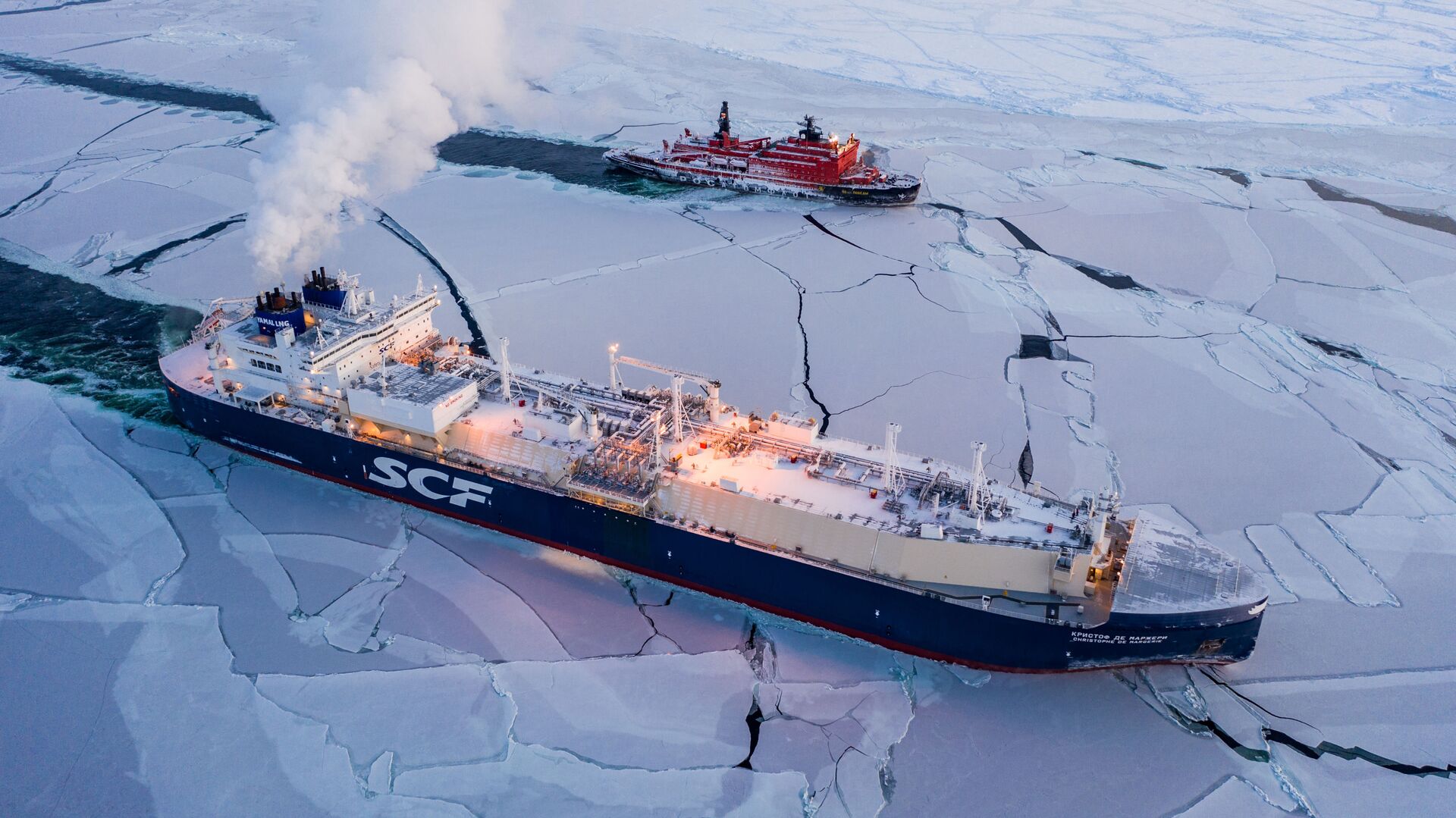
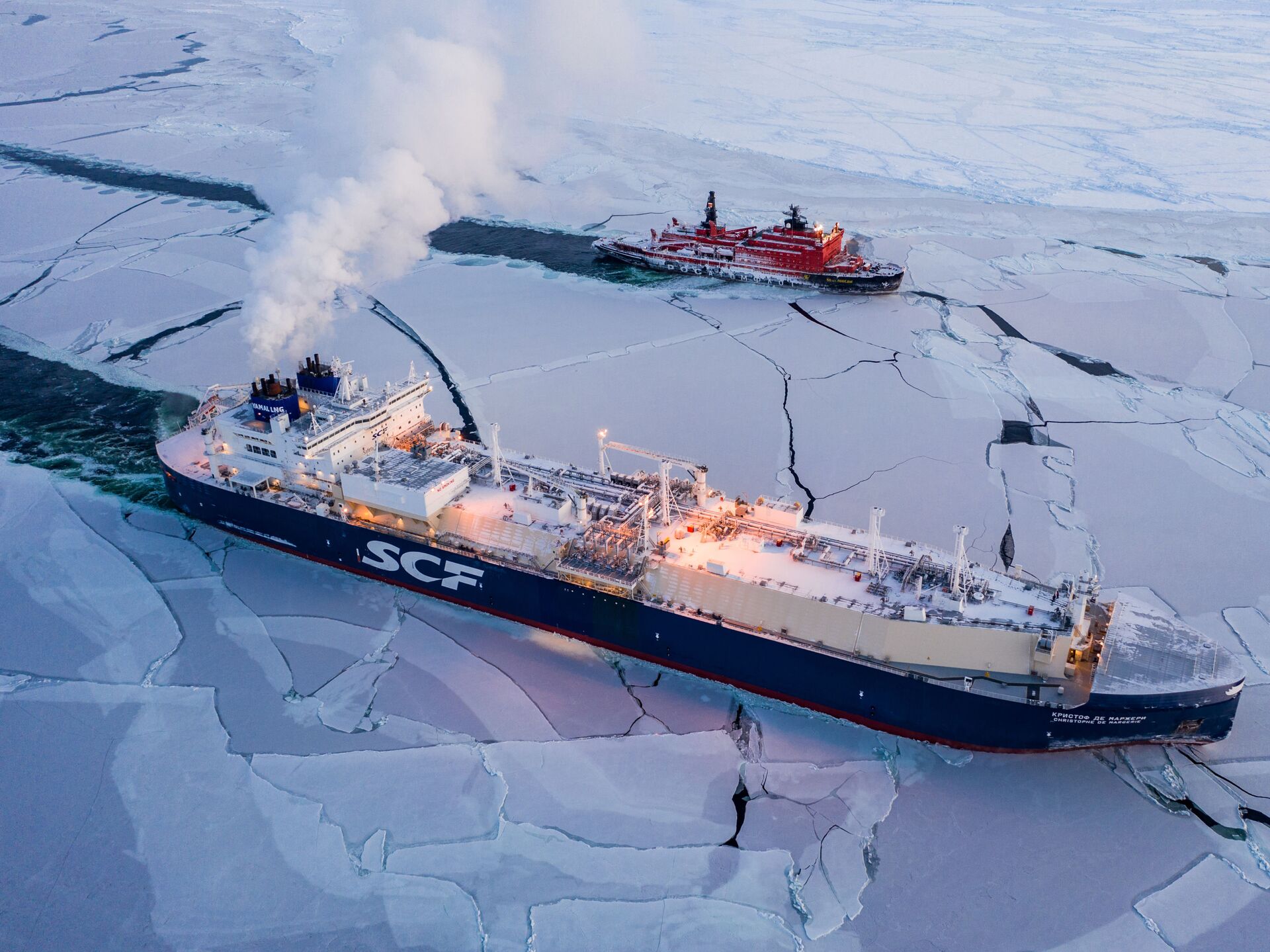
He added that the problem could be overcome by joint operation of nuclear icebreakers and make the
Arctic waters navigable year-round. At present, Russia is the only country operating a nuclear icebreaker fleet for polar waters, with a Rosatom subsidiary FSUE Atomflot operating the fleet.
At their most recent meeting in Delhi for the India-Russian Annual Summit last December, Prime Minister Narendra Modi and President Putin welcomed the progress made in multi-faceted bilateral cooperation on the Northern Sea Route, according to a joint statement.
Modi and Putin vowed to enhance the infrastructure capacity to support INSTC, the Chennai-Vladivostok Corridor and the NSR, as well as welcomed the MoU on training of specialists for vessels operating in polar waters. Both the countries launched a Working Group to promote cooperation on the NSR in 2024.